
You’ve probably looked at your roof before a storm and wondered, will my roof survive a hurricane? If you live on the Gulf Coast or in North and Central Texas, we ask the same question every season, and we build our plans around a clear, evidence‑based answer. At Ready Nation Contractors, we’ve helped homeowners, HOAs, facilities managers, and commercial property owners harden roofs and recover after severe wind and water events across Tampa, Miami, Dallas, Austin, Lafayette, Odessa, Panama City, and St. Petersburg.
In this guide, we’ll explain what really determines whether a roof rides out the next storm and how to assess yours today. We’ll cover smart upgrades that pay off, what local codes and insurance policies expect, and a simple timeline to follow before, during, and after. If you need help now, our team is on call for storm readiness and recovery—start with our roof repair experts or reach us directly.
What Determines Whether a Roof Survives
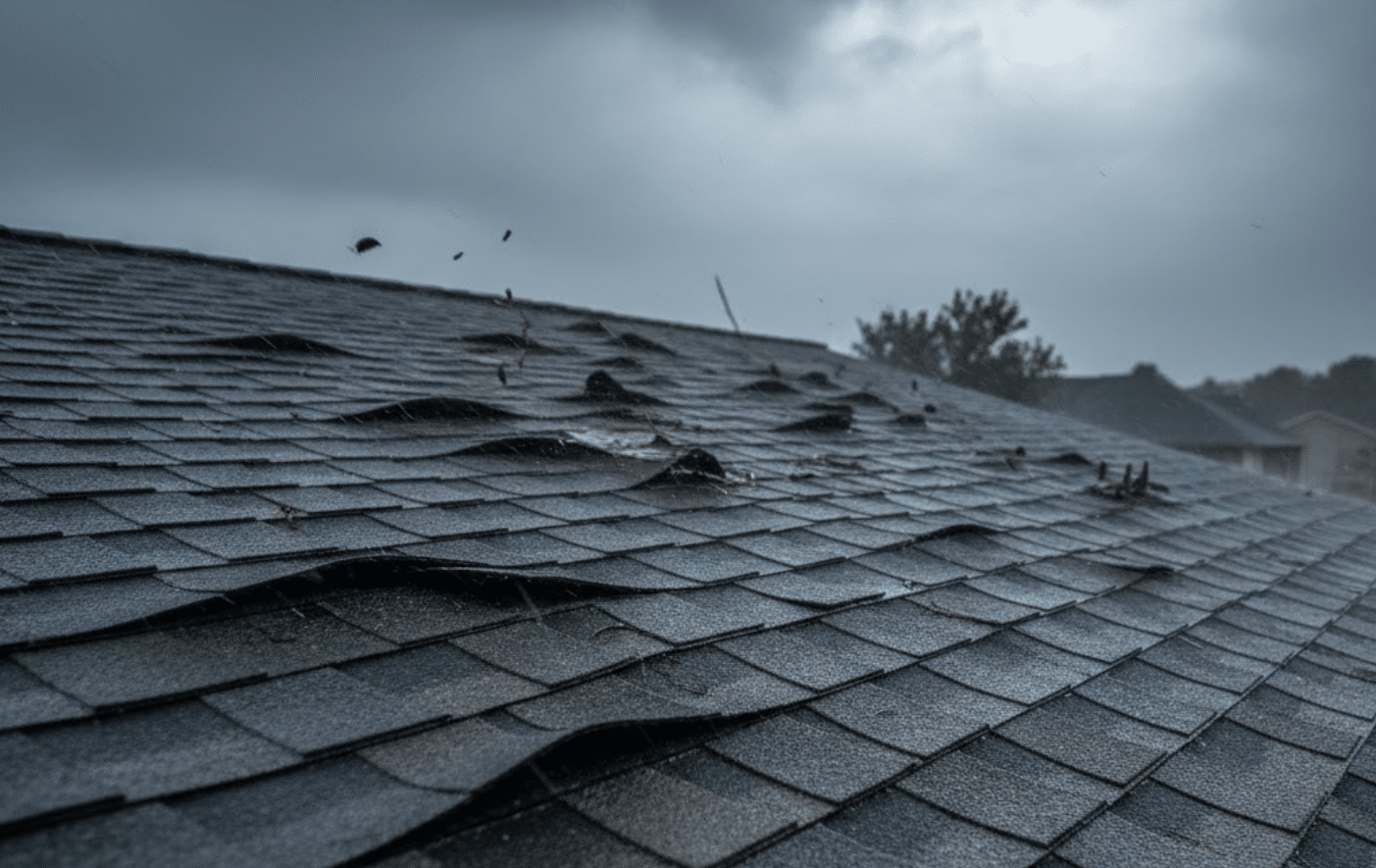
Wind Speeds, Gusts, And Design Pressures
Hurricanes don’t deliver steady wind, they deliver shifting, pulsing pressures. Roof edges, corners, and ridges see the highest uplift. Whether your roof survives often comes down to matching local design wind speeds and ensuring materials meet or exceed their rated uplift resistance. When ratings, fastening patterns, and edge metal are aligned with local code, performance rises dramatically.
Roof Age, Shape, And Slope
Age dries out shingles, loosens fasteners, and weakens sealant bonds. Low‑slope and complex rooflines can channel wind in odd ways, creating hotspots at valleys and transitions. Hip roofs typically perform better than gables under crosswinds, and steeper slopes shed wind differently than shallow ones. If your roof is approaching end‑of‑life, the risk compounds with every storm.
Installation Quality, Fasteners, And Flashings
Even premium materials fail if starter strips, nails, screws, and flashing details aren’t right. Proper nail placement (into the nailing strip), correct fastener length into the deck, and sealed penetrations are non‑negotiables. We see more losses at the eaves, rakes, and around vents than anywhere else, details matter there most.
Exposure: Trees, Water, And Open Terrain
Homes near open water or on open plains take higher, cleaner wind loads. Meanwhile, overhanging trees can become projectiles or pry shingles. Consider exposure class when you ask, will my roof survive a hurricane? If your lot is more exposed, elevating your roof’s fastening schedule and edge protection is wise.
How To Assess Your Roof Right Now
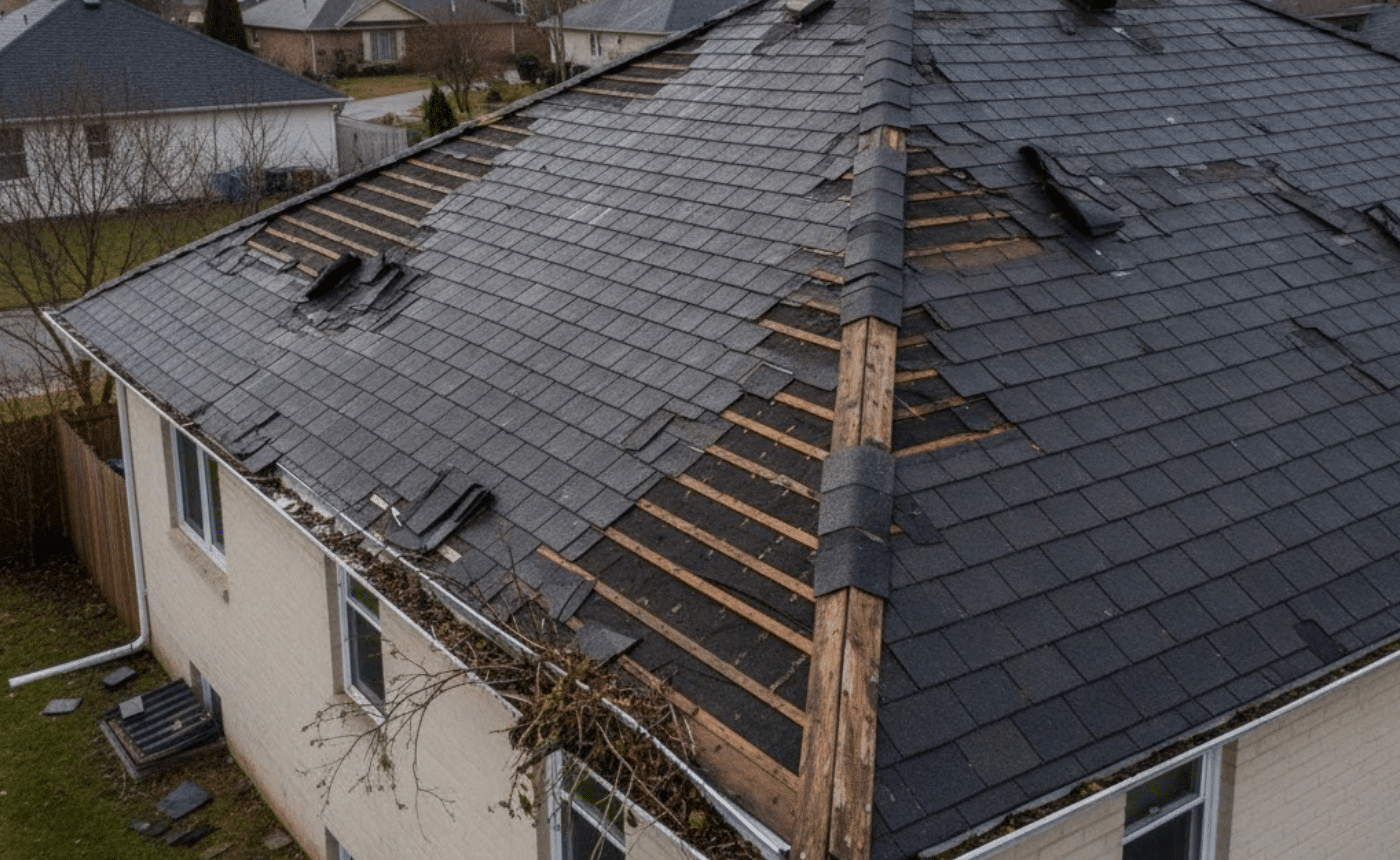
DIY Exterior Checklist From The Ground
Walk the property with binoculars. Look for: lifted or missing shingles, loose ridge caps, rusted or backed‑out screws on metal, cracked or displaced tiles, missing drip edge, and gaps at eaves or rakes. Check gutters for granules, a sign shingles are wearing out. If you spot issues, our roof repair team can prioritize fixes before the next system rolls in.
Attic And Interior Red Flags
From inside, look for daylight at the decking, dark stains on sheathing, damp insulation, musty odors, and ceiling spots. Moisture leads to microbial growth, so quick action is key. If you find wet materials, pair roof repairs with rapid drying to prevent secondary damage. Learn how we handle moisture through our water damage restoration services.
When To Call A Licensed Roofer Or Structural Pro
If you see sagging planes, widespread shingle loss, fluttering metal panels, cracked trusses, or signs of deck delamination, pause DIY. We’ll document conditions, stabilize the roof, and outline code‑compliant repairs or replacement. Start with a no-pressure assessment and learn more about our team.
Roof Materials And Systems: Pros, Cons, Wind Resistance
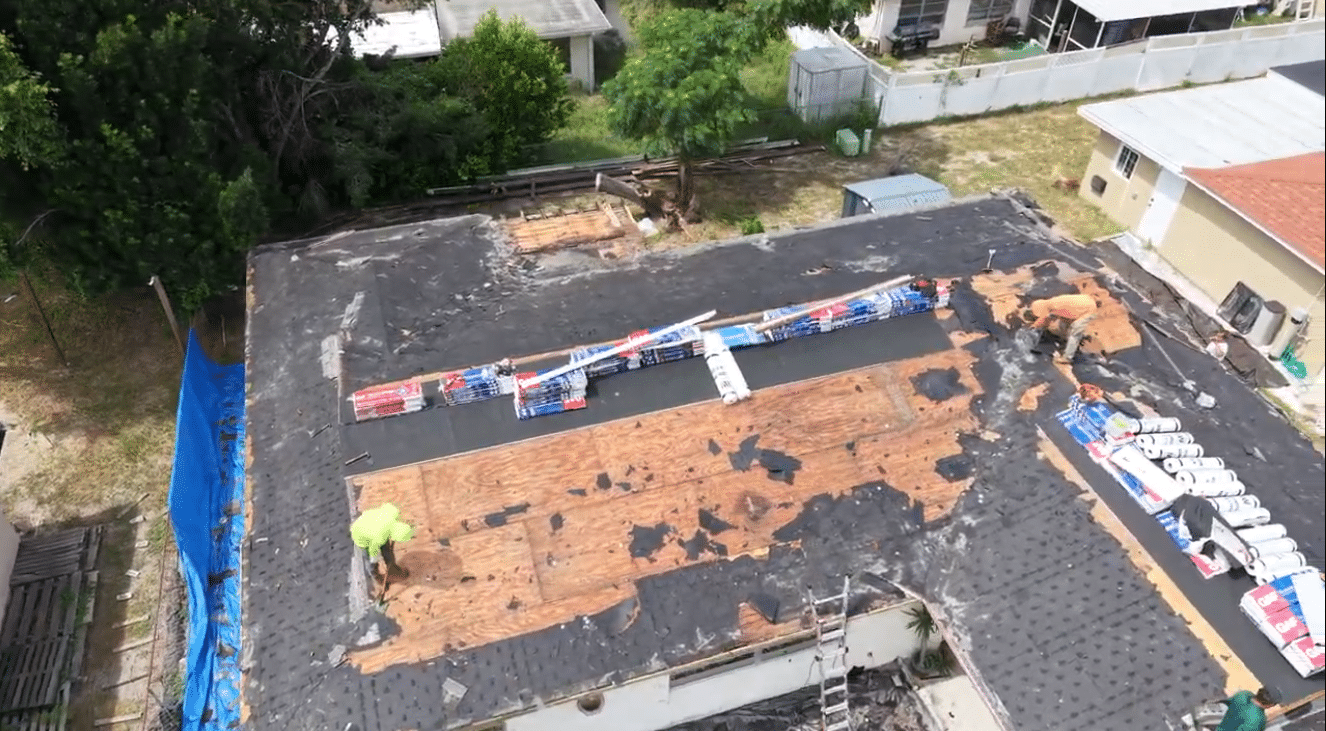
Asphalt Shingles: Architectural vs. 3-Tab, Wind Ratings
Architectural (laminate) shingles are thicker and typically carry higher wind ratings than 3‑tab. Look for products tested to 110–130 mph or more, installed with enhanced nail patterns and sealed starter strips. The short version: heavier, better‑fastened shingles with correct adhesives hold better in gusts.
Metal Roofing: Panels, Standing Seam, Uplift Resistance
Properly fastened metal, especially standing seam with concealed clips, can excel under high winds. Success hinges on clip spacing, substrate, and edge details. If panels oil‑can or fasteners back out, uplift risk rises. Annual torque checks before storm season pay dividends.
Tile Roofs: Mechanical Fastening And Foam Set Considerations
Tiles are heavy and resilient, but only if they’re mechanically fastened or properly foam‑set per code. The weak links are ridge, hip, and rake details. We often upgrade underlayment and ridge anchorage during tile rehabs, which can transform performance.
Low-Slope Systems: TPO, Modified Bitumen, And Adhesion
On commercial and multifamily buildings, membrane attachment is critical. Fully adhered systems with perimeter enhancements (and proper substrate prep) resist peeling. Ballasted systems can be vulnerable if ballast migrates. See our commercial restoration capabilities for low‑slope stabilization.
Decking, Underlayment, And Secondary Water Barriers
Your roofing is only as strong as its deck. Re‑nailing sheathing to code, installing synthetic or high‑temp underlayment, and adding a self‑adhered secondary water barrier over seams can keep water out even if surface materials are damaged. It’s a modest investment with outsized returns in a wind‑driven rain event.
Strengthen Your Roof Before The Storm
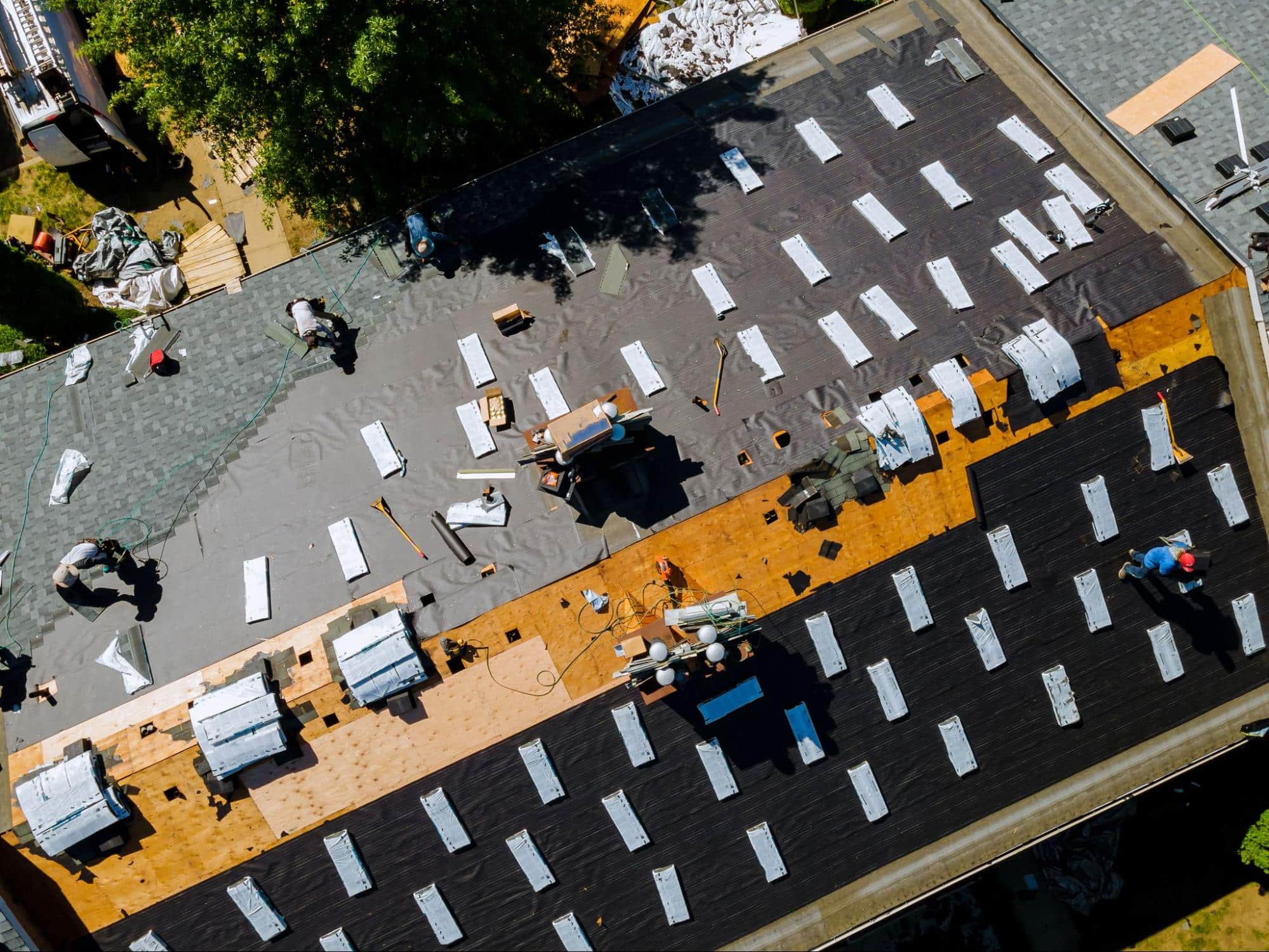
Upgrade Fasteners, Deck Attachment, And Underlayment
If your roof is mid‑life or nearing replacement, we can re‑nail decking to current code, specify enhanced nailing patterns, and install upgraded underlayments. These improvements can elevate the roof’s effective wind resistance without changing the visible look.
Edge Protection: Drip Edge, Starter Strips, And Ridge Caps
Most hurricane losses start at the edges. We make sure the metal drip edge is properly sized and fastened, starter courses are sealed, and ridge caps are high‑quality and well‑anchored. This is a small line item that protects the entire field of the roof.
Hurricane Straps, Gable Bracing, And Soffit Reinforcement
Roof survival isn’t just shingles. It’s structure. We evaluate existing straps, replace corroded hardware, and add gable end bracing where needed. Ventilated soffits can lift in high winds, so reinforcing and sealing transitions reduces entry points for wind‑driven rain.
Secure Vents, Skylights, Solar, And Accessories
Penetrations are pressure points. We upgrade fasteners, add compatible sealants, and install storm‑rated vent hoods where appropriate. If you’ve added solar, we coordinate with your provider or manage the system under our general contracting team to ensure attachments meet wind specs.
Trim Trees And Manage Debris Pathways
We love shade, but not limbs over the roof. Prune trees, clear loose items, and secure outdoor equipment. On commercial sites, confirm rooftop units are anchored and curbs sealed. If HVAC components need attention, we coordinate with our HVAC specialists.
Region-Specific Considerations, Codes, And Insurance
Miami And HVHZ Requirements vs. Tampa/St. Petersburg/Panama City
South Florida’s High Velocity Hurricane Zone (HVHZ) enforces some of the strictest product approvals and fastening schedules in the country. If you’re in Miami, product selection and installation details are non‑negotiable. Tampa, St. Petersburg, and Panama City also follow robust Florida codes: we align material approvals and wind design to your municipality.
Dallas, Austin, Odessa: Wind, Hail, And Tornado-Borne Debris
Texas roofs often battle hail and straight‑line winds. Impact‑resistant shingles or metal can reduce losses and sometimes insurance premiums. Because debris impacts are common, stronger substrates and upgraded underlayments help roofs keep their seal after a pummeling.
Lafayette And Gulf Coast Parishes: Flood And Windstorm Nuances
Along the Gulf, persistent wind‑driven rain and surge exposure call for superior secondary water barriers and secured soffits. We also plan for prolonged power interruptions by prioritizing dry‑in methods that protect interiors quickly.
Building Codes, Permits, And The 25% Roof Rule
In many Florida jurisdictions, if more than 25% of a roof section is repaired within a 12‑month period, code may require upgrading the entire section to current standards. We navigate permits and inspections so your project stays compliant and on schedule.
Insurance Basics: Windstorm Coverage, Documentation, And Depreciation
Know your deductibles and endorsements. Photograph your roof and interior annually, keep invoices for maintenance, and document pre‑storm conditions. After a storm, prompt mitigation protects your claim. See our storm damage services for response steps and documentation tips.
Conclusion
So, will my roof survive a hurricane? With the right materials, fastening, edge protection, and a plan, the odds tilt strongly in your favor. We’ve reinforced and restored roofs from Miami to Tampa and St. Petersburg, and across Dallas, Austin, Odessa, Lafayette, and Panama City, bringing properties back quickly and to code. If you’d like a readiness check or post‑storm support, explore our storm planning and recovery services or schedule roof assessments and repairs. Check out our service locations and rapid dispatch to see if we cover your area, or contact our team 24/7 to get started.
We’re Ready Nation Contractors. We harden roofs before the season, mitigate fast when it hits, and rebuild the right way. When you’re ready to protect your home or business, we’re ready to help. For more practical guidance, explore our blog anytime.
Frequently Asked Questions
What determines whether my roof will survive a hurricane?
Survival comes down to wind design and details: materials rated for local design speeds, correct fastening patterns, strong edge metal, and quality installation at eaves, rakes, ridges, and penetrations. Roof age, shape (hip beats gable), slope, and site exposure also matter. Aligning products and attachment with code dramatically improves outcomes.
How can I assess my roof for hurricane readiness from the ground?
Use binoculars to spot lifted or missing shingles, loose ridge caps, rusted or backed‑out metal fasteners, cracked tiles, missing drip edge, and gaps at eaves or rakes. Check gutters for granules. Inside, look for daylight, stains, damp insulation, or musty odors—signs to call a licensed roofer before storms.
Which roofing materials perform best in high winds?
Architectural shingles with enhanced nailing and sealed starters outperform 3‑tab. Standing seam metal with properly spaced clips and solid edge details excels. Tile holds if mechanically fastened or foam‑set per code, with reinforced ridges. On low‑slope roofs, fully adhered membranes with perimeter enhancements resist peeling better than loose or ballasted systems.
What upgrades help ensure my roof will survive a hurricane this season?
Prioritize edge protection (properly sized drip edge, sealed starter courses, anchored ridge caps), re‑nail decking to code, use synthetic or high‑temp underlayment with a self‑adhered secondary water barrier, add hurricane straps and gable bracing, reinforce soffits, and secure vents, skylights, solar mounts, and nearby trees or debris.
How do I check shingle wind ratings, and is 130 mph enough?
Review product labels or technical sheets for ASTM D7158 (look for Class H, up to 150 mph) or ASTM D3161 Class F. Many “130 mph” ratings assume enhanced nailing and sealed starters. In HVHZ or very exposed sites, choose higher-rated products and verified installation details to match local design wind speeds.