
When your roof suddenly starts leaking during a storm, or you spot shingles scattered across your lawn after a severe weather event, that sinking feeling in your stomach is all too familiar. Roof emergencies don’t announce themselves politely, they arrive with urgency, demanding immediate attention. Whether you’re in Tampa dealing with hurricane season or in Dallas facing unpredictable hail, knowing what constitutes a roofing emergency and how to respond can save you thousands of dollars in additional damage.
At Ready Nation Contractors, we’ve seen firsthand how quickly roof damage can escalate. That’s why we’ve built our services around rapid response and expert restoration. From storm-torn shingles to water actively pouring through your ceiling, we understand that roofing emergencies can’t wait. This guide walks you through everything you need to know about emergency roof repair, what qualifies as urgent, how to find a reliable contractor when time is critical, and what steps you should take to protect your property while help is on the way.
What Qualifies as a Roofing Emergency?
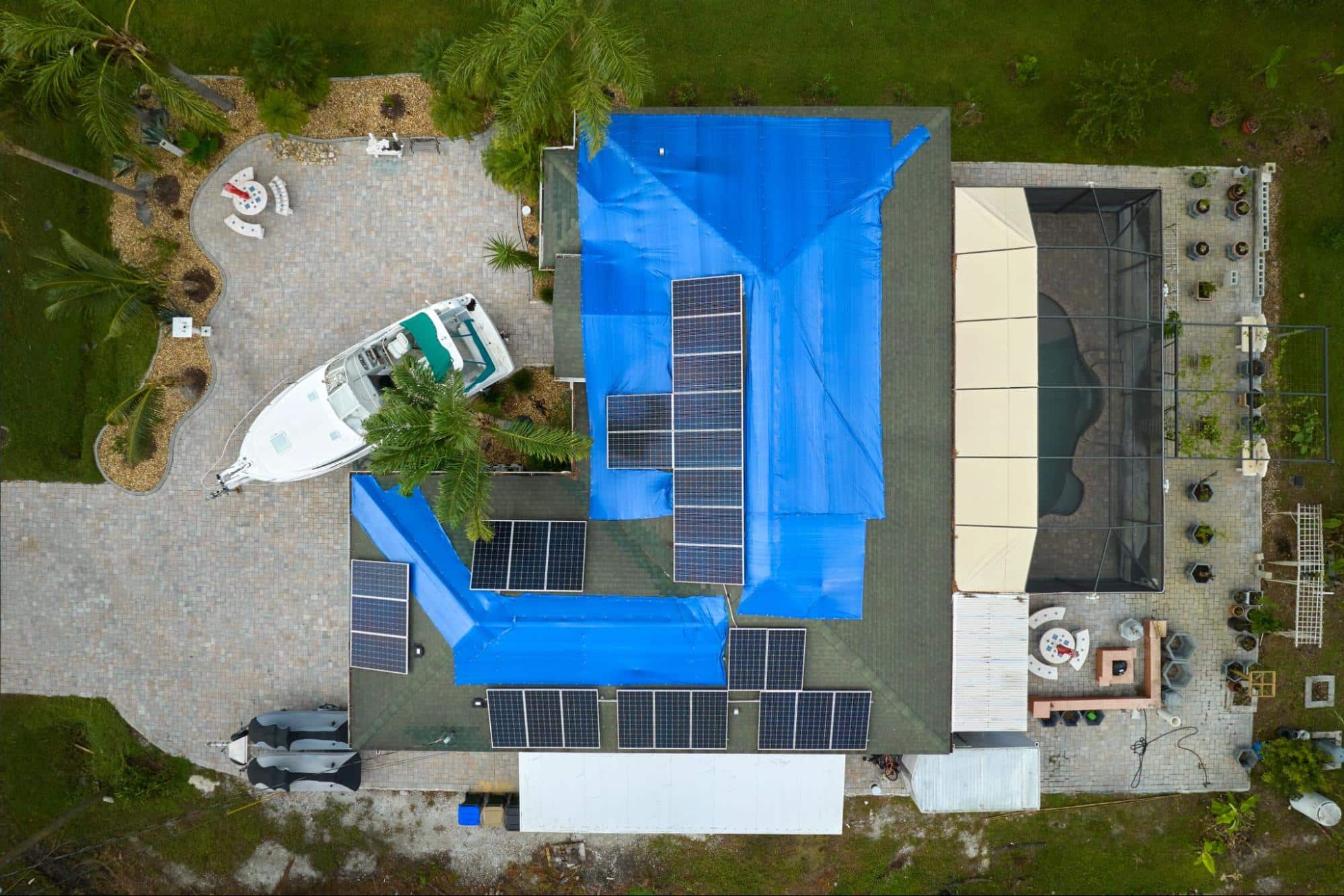
Not every roofing issue requires a middle-of-the-night phone call, but some absolutely do. A roofing emergency is any sudden incident that threatens your property’s structural integrity or safety, demanding immediate professional attention. The line between “I can wait until Monday” and “I need someone now” isn’t always clear, but understanding the difference helps you respond appropriately.
Storm Damage and Severe Weather Impact
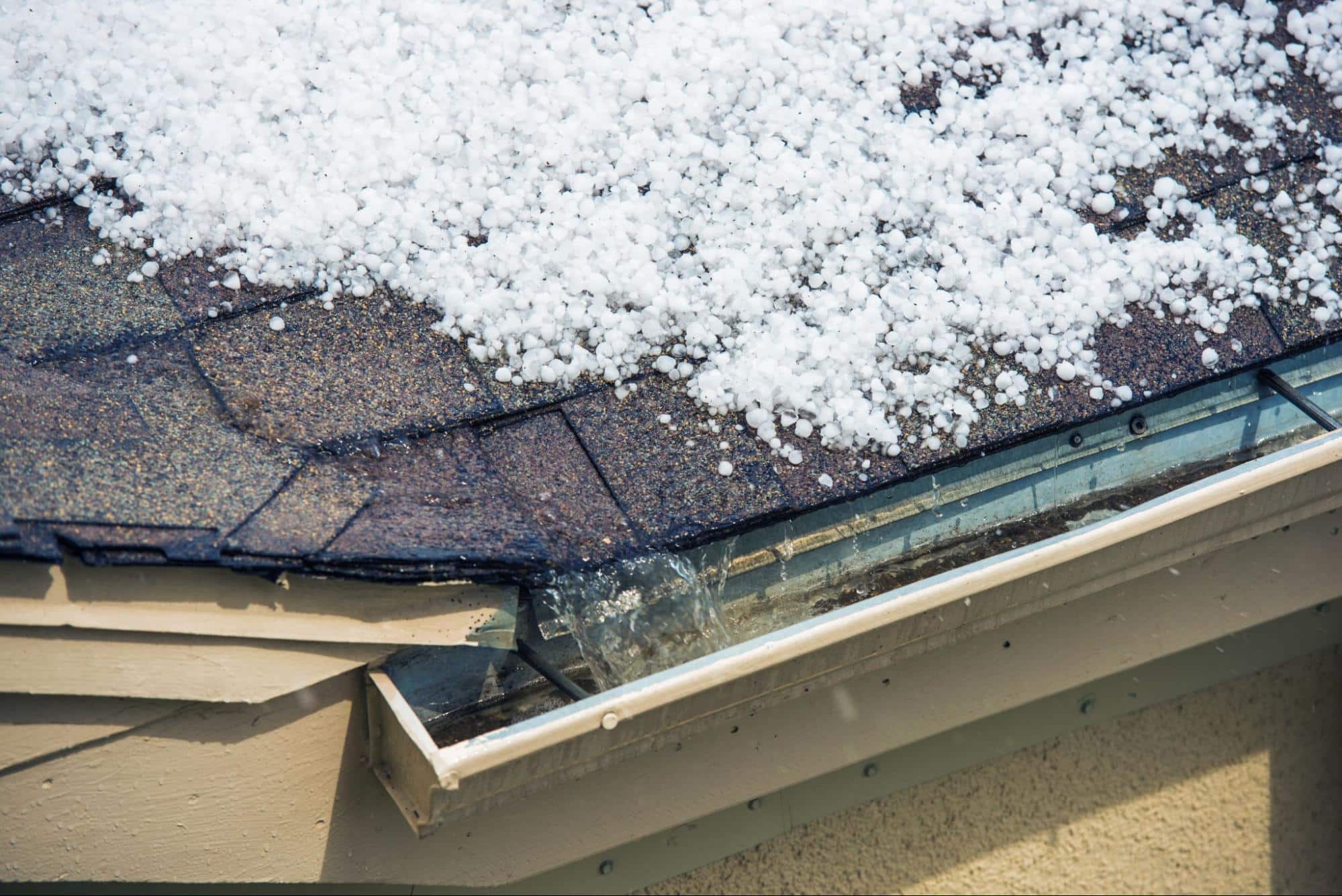
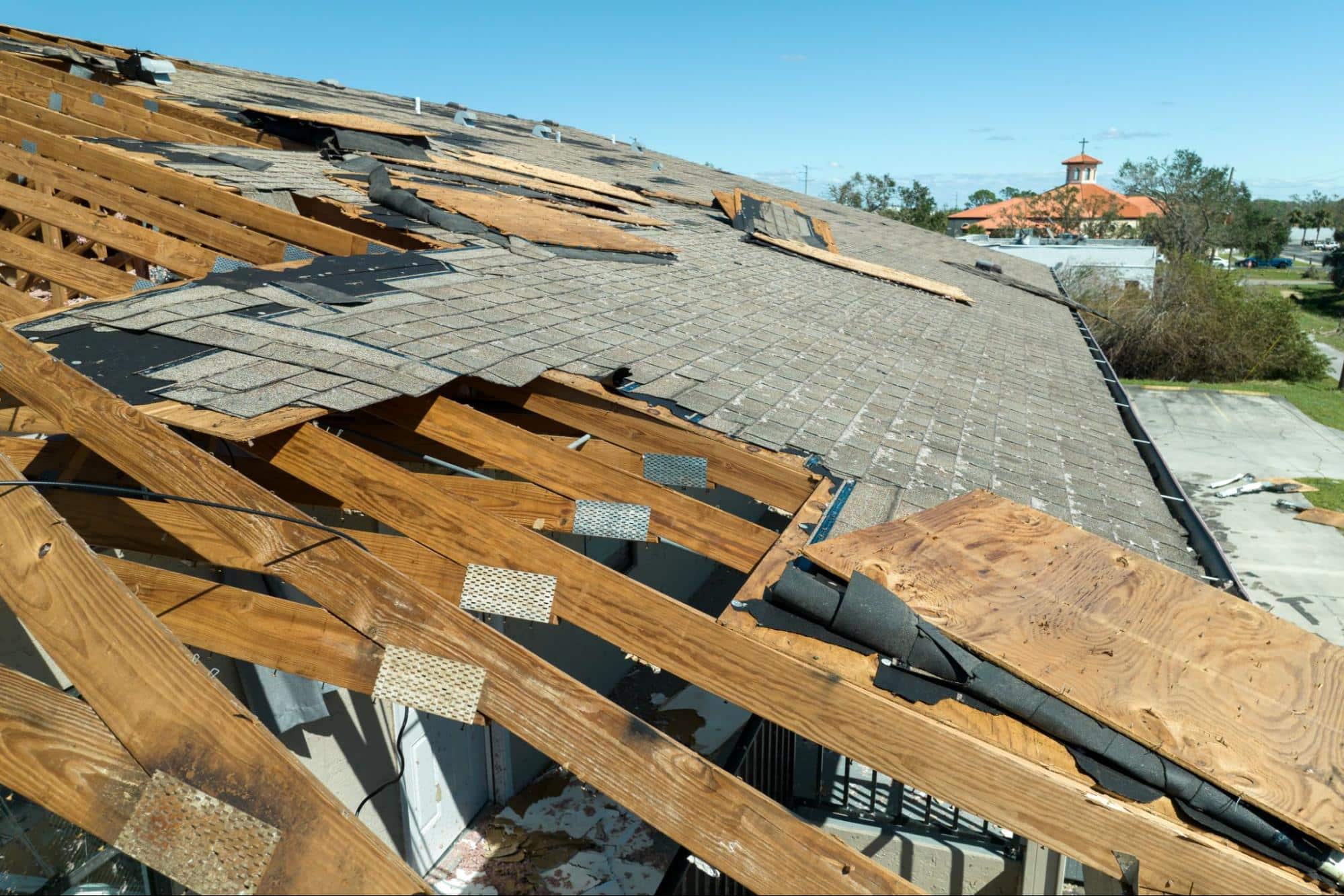
Severe weather events are among the most common culprits behind roofing emergencies. High winds can rip shingles clean off your roof, leaving the underlayment, or worse, the deck itself, exposed to the elements. Hail can puncture roofing materials, creating entry points for water that might not show up immediately but will cause problems down the line. Flying debris, whether tree branches or patio furniture turned into projectiles, can tear through even well-maintained roofs.
In Florida and Texas, where we operate, storm damage is an ever-present risk. Hurricane-force winds and sudden severe thunderstorms can cause catastrophic roof failure in minutes. We’ve responded to countless calls where homeowners watched their roofs deteriorate in real-time during a storm. When severe weather strikes, even minor existing vulnerabilities can become major problems fast.
Active Leaks and Water Intrusion
If water is actively entering your home through the roof, that’s an emergency. Period. Unlike a small drip that you can catch with a bucket and address during business hours, an active leak means water is spreading through your ceiling, walls, insulation, and potentially reaching electrical systems. The longer water flows, the more damage accumulates, and not just to your roof.
Water intrusion leads to mold growth, wood rot, damaged drywall, ruined insulation, and even compromised structural supports. We’ve seen cases where a leak that started in the attic spread to multiple rooms within hours. The secondary damage from water intrusion often costs far more to repair than the roof itself. That’s why acting quickly isn’t just advisable, it’s critical.
Structural Damage and Safety Hazards
When your roof shows signs of structural compromise, sagging, visible holes, partial collapse, or severe buckling, you’re dealing with an immediate safety hazard. A compromised roof can fail further without warning, putting anyone inside at risk. Fallen trees, heavy equipment impact, or significant fire damage all fall into this category.
We’ve also responded to emergencies where lightning strikes caused localized roof fires or where the impact of a large branch created a breach in the roof deck. These situations require more than just roof repair, they often need stabilization and emergency structural support before permanent repairs can begin. Safety always comes first, and if you suspect structural damage, evacuate the area and call professionals immediately.
How to Find a Reliable Emergency Roofer
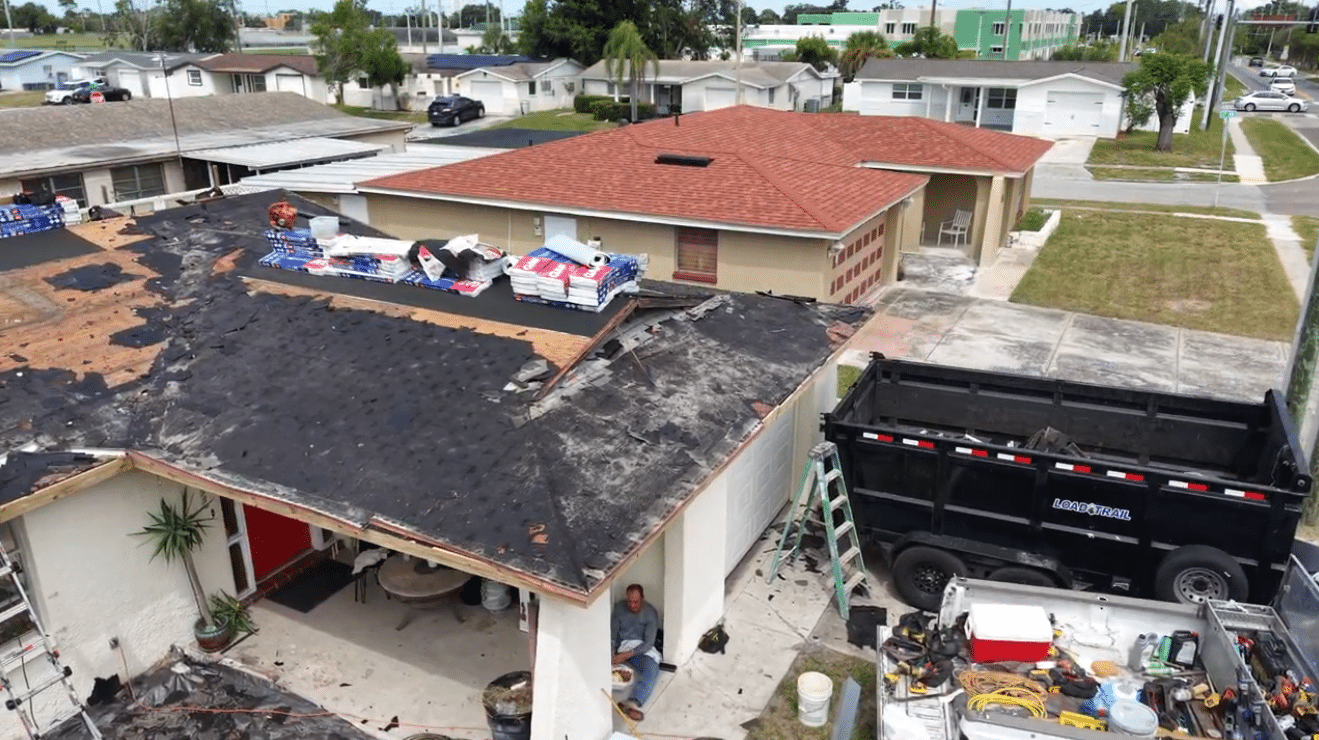
When disaster strikes, you don’t have the luxury of leisurely shopping around for contractors. But even under pressure, you can’t afford to hire the first person who answers the phone. Unfortunately, roofing emergencies attract unscrupulous “storm chasers” who do shoddy work and disappear before you realize there’s a problem. Finding a reliable emergency roofer requires balancing speed with due diligence.
Verify Licensing and Insurance
Before anyone sets foot on your roof, confirm they’re properly licensed and insured. A legitimate contractor will readily provide proof of liability insurance and workers’ compensation coverage. This protects you from liability if someone gets injured on your property and ensures the company can cover any damage they might accidentally cause during repairs.
At Ready Nation Contractors, we maintain full licensing across all our service areas, Florida, Texas, and Louisiana. We’re transparent about our credentials because we know they matter. Don’t skip this step, even in an emergency. An unlicensed contractor might offer a lower price, but you’ll pay far more if something goes wrong and you have no recourse.
Check Availability and Response Time
Emergency roofing services mean 24/7 availability. If a contractor can’t get to you quickly, they’re not really offering emergency service. Ask about their typical response time and whether they have crews available immediately. During peak storm seasons, even established companies can be stretched thin, but they should still provide a realistic timeframe.
We offer emergency response services across all our locations, with teams ready to deploy when you need them most. Our goal is to arrive quickly enough to prevent further damage while providing thorough, professional service. Speed matters, but so does quality, we won’t sacrifice one for the other.
What to Expect During an Emergency Roof Repair
Understanding what happens when an emergency roofer arrives helps you prepare and ensures the process goes smoothly. Emergency roof repair follows a specific protocol designed to stabilize the situation, prevent further damage, and set the stage for permanent repairs.
Initial Assessment and Damage Documentation
The first thing we do when responding to an emergency call is conduct a thorough assessment. This isn’t just about identifying the obvious problem, it’s about understanding the full scope of damage, including hidden issues that might not be immediately visible. We inspect the roof deck, underlayment, flashing, and surrounding areas to get the complete picture.
Documentation is equally important. We take detailed photographs and notes because accurate records are essential for insurance claims. Most insurance companies require prompt reporting and thorough documentation of emergency damage. We’ll walk you through what we found, explain what needs immediate attention, and provide a clear assessment you can share with your insurance adjuster.
For properties with extensive damage, we also coordinate with other restoration services. If the roof leak has caused water damage to interior spaces or if there’s concern about mold growth, we can address those issues as part of a comprehensive restoration plan.
Temporary Repairs vs. Permanent Solutions
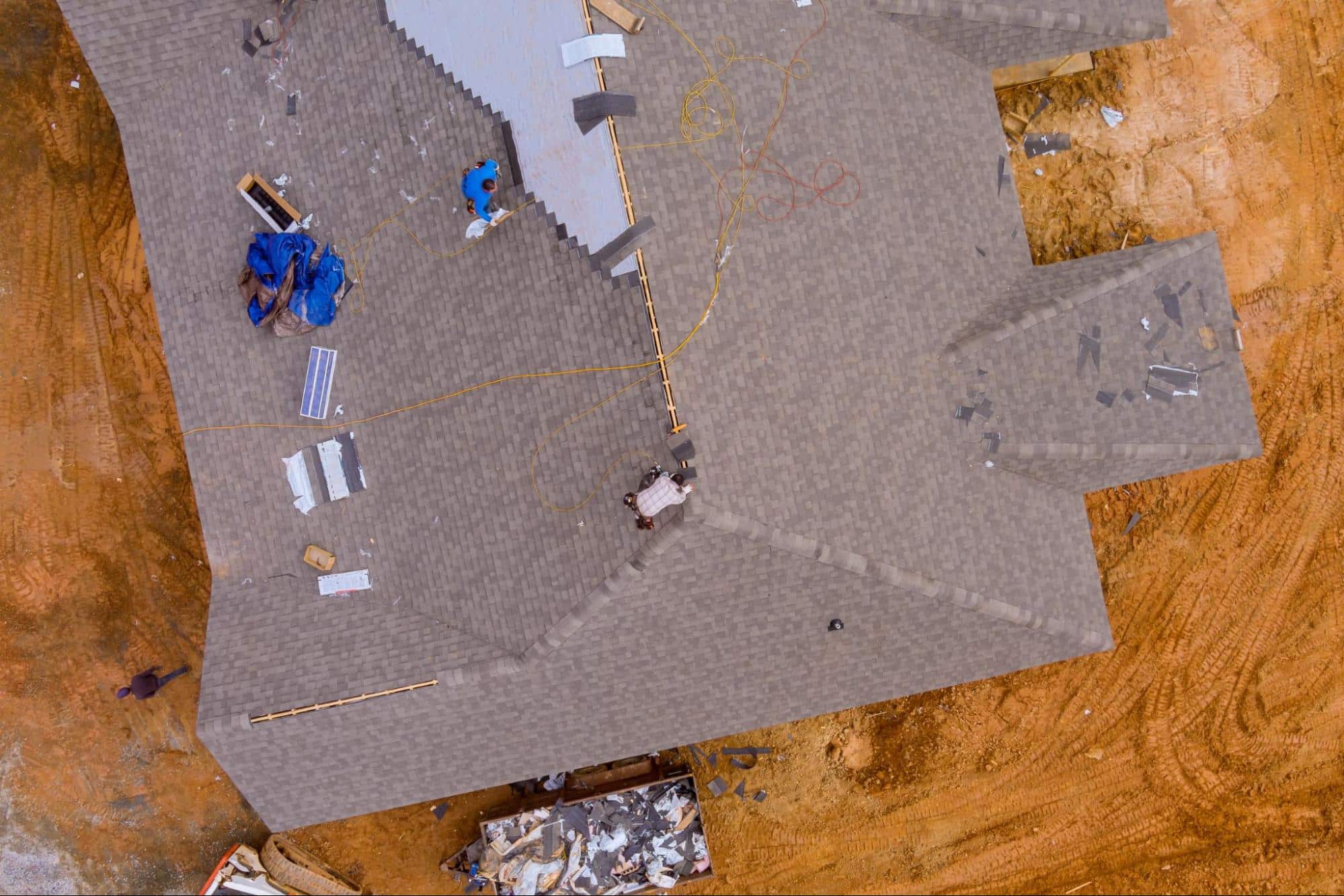
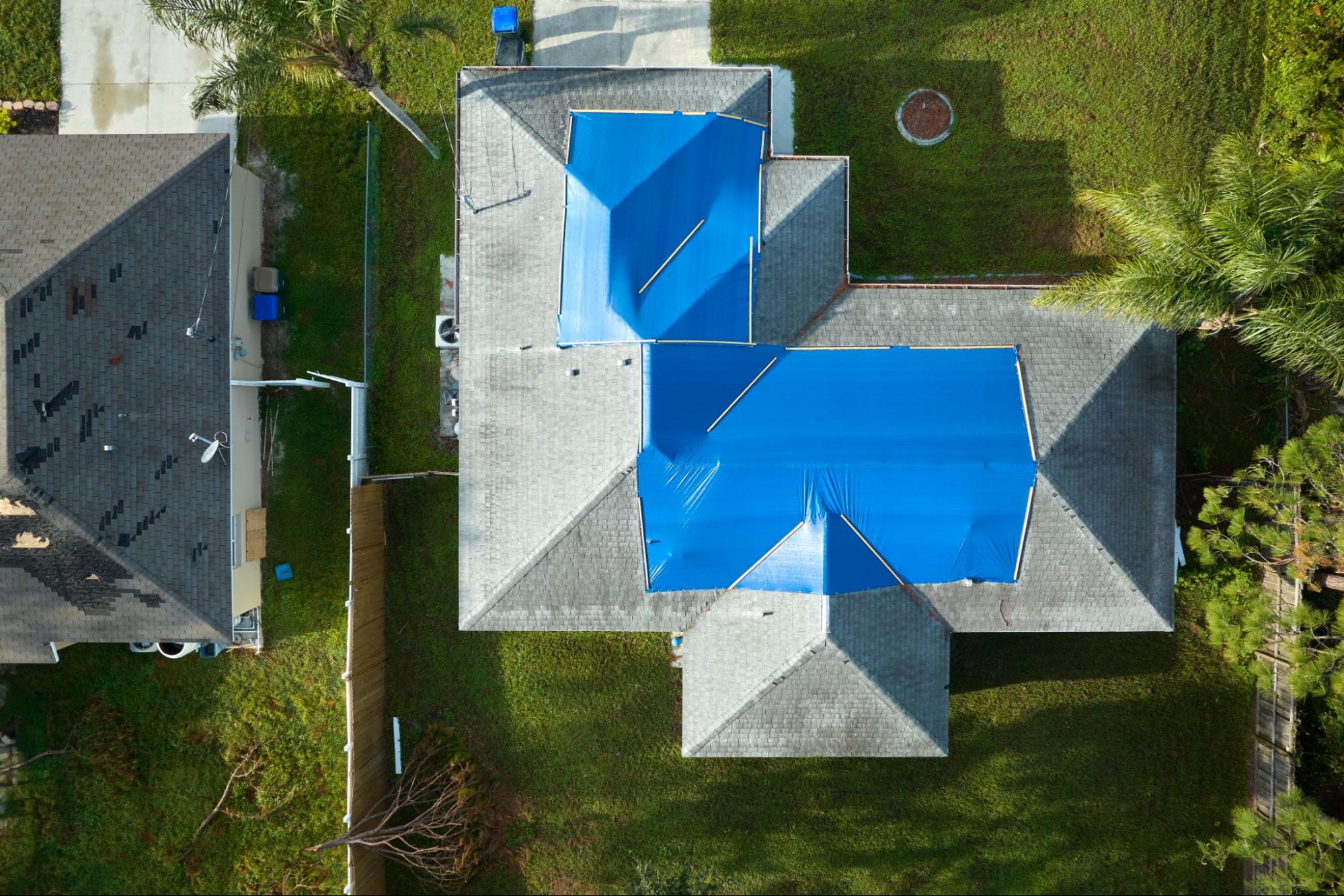
Emergency roof repair usually involves temporary measures to stop ongoing damage until permanent repairs can be completed safely and properly. This might include installing heavy-duty tarps, applying temporary sealants, or boarding up damaged areas. These measures aren’t meant to last indefinitely, they’re stopgaps that protect your property while we arrange for permanent repairs.
Permanent repairs require proper planning, materials, and often better weather conditions. Trying to rush permanent repairs during a storm or in unsafe conditions can lead to poor workmanship and additional problems. Once we’ve stabilized the situation, we’ll schedule follow-up work to complete the repair properly.
For commercial properties, we understand that roof emergencies can shut down operations. We work quickly to minimize business interruption while ensuring repairs meet all building codes and industry standards. For general contracting needs that extend beyond the roof itself, we coordinate comprehensive restoration services.
Steps to Take Before the Emergency Roofer Arrives
Before your emergency roofer arrives, quick action can limit damage and protect your property. Move furniture, electronics, and valuables away from leaks. Use buckets or containers to catch water and towels or tarps to protect floors.
Document everything with photos and videos—both close-ups and wide shots. These records help with insurance claims and guide the repair team.
If it’s safe, relieve ceiling bulges to control water flow and prevent collapse, but never climb onto the roof. Turn off power in wet areas to avoid electrical hazards, and if you suspect structural damage, evacuate until professionals arrive.
Finally, notify your insurance company right away. Early reporting ensures coverage eligibility and speeds up the claims process.
Emergency Roofing Costs and Insurance Considerations
Emergency roof repairs cost more than scheduled work due to after-hours labor, rapid response, and safety requirements. Prices vary based on damage severity, roof access, materials, and repair complexity. A few missing shingles cost far less than replacing a damaged roof deck, while steep or multi-story roofs increase labor needs.
Weather can also raise costs. Working in rain or immediately after storms takes more time and often requires temporary protection like tarps or sealants.
Insurance typically covers sudden storm or impact damage but not issues caused by neglect or aging. Quick reporting and thorough documentation are essential. Photos, notes, and our professional assessments strengthen your claim and help adjusters confirm coverage.
Your deductible still applies, and we coordinate with insurance providers to ensure all needed repairs are included—keeping restoration fair, fast, and transparent.
Preventing Future Roofing Emergencies
You can’t control the weather, but you can lower the risk of roofing emergencies through regular maintenance and preparation. Prevention is always easier and more affordable than emergency repairs.
Professional roof inspections once or twice a year—ideally in spring and fall—catch small issues early. A few loose shingles can be fixed quickly; left alone, they can blow off in a storm and cause water intrusion. Promptly repairing leaks or missing shingles prevents moisture damage, UV wear, and structural decay that shorten a roof’s lifespan.
Keep trees trimmed and remove weak branches before storm season to avoid impact damage. Ensure proper attic ventilation and HVAC balance to limit heat buildup and moisture stress, especially in hot Gulf Coast climates.
After major storms, schedule a professional inspection even if damage isn’t visible—hidden cracks or flashing failures often lead to leaks later. Knowing your roof’s age and expected lifespan also helps you plan proactive replacement before a costly failure. For commercial properties, having an emergency response plan in place ensures faster recovery and minimal downtime when severe weather hits.
Conclusion
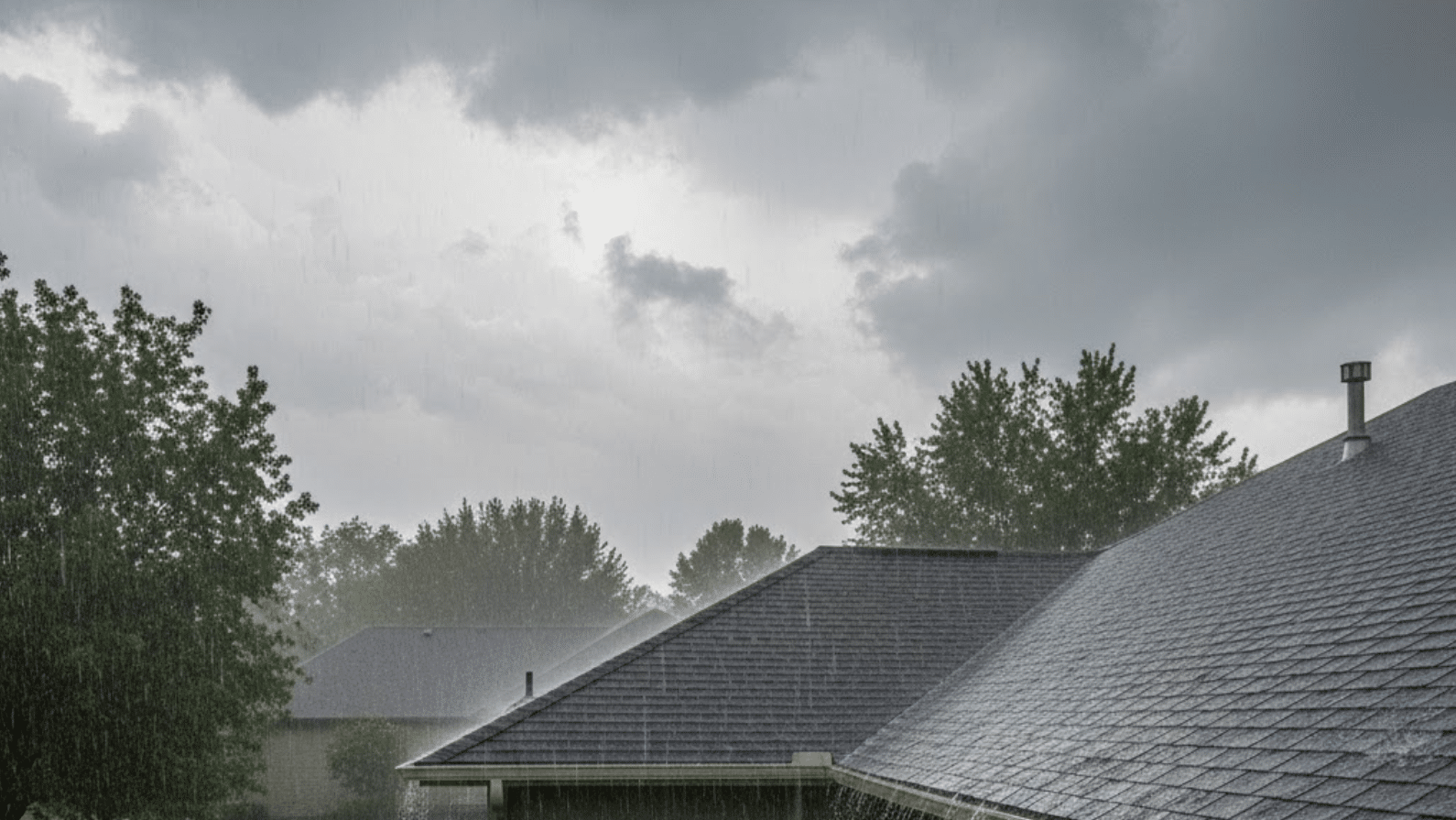
Roofing emergencies are disruptive and costly, but with preparation and the right team, they’re manageable. Knowing what to do and who to call can turn a crisis into a controlled recovery.
At Ready Nation Contractors, we respond 24/7 across Tampa, Miami, Dallas, Austin, Lafayette, Odessa, Panama City, and St. Petersburg. Our team handles everything from emergency tarping to full restoration, coordinating with insurers and ensuring repairs meet lasting standards.
Whether you’re facing storm damage or want to prevent future issues, we’re here to help. Learn more about our services on our blog or contact us to schedule an inspection. For immediate assistance, call 877-762-2858—our emergency response team is standing by.
Frequently Asked Questions
What qualifies as an emergency roofer situation?
A roofing emergency includes active leaks with water entering your home, severe storm damage exposing the roof deck, structural issues like sagging or holes, and safety hazards such as fallen trees or partial collapse. These situations threaten your property’s integrity and require immediate professional attention.
How quickly can an emergency roofer respond to my call?
Reliable emergency roofers offer 24/7 availability and should provide immediate response times, typically within hours. Response speed depends on location and storm season demand, but legitimate emergency services prioritize rapid deployment to prevent further damage to your property.
Does homeowners insurance cover emergency roof repairs?
Most homeowners insurance covers sudden, accidental damage from storms, fallen trees, or unexpected events. However, damage from poor maintenance or gradual deterioration typically isn’t covered. Contact your insurer immediately after discovering damage and document everything thoroughly for your claim.
What should I do while waiting for an emergency roofer to arrive?
Move valuables away from affected areas, place buckets to catch water, document damage with photos and videos, and turn off electricity near water intrusion. Never climb on your roof yourself. If structural damage is suspected, evacuate immediately and wait for professionals.