
Hurricane seasons, hail bursts, and year-round UV are tough on commercial roofs across Florida and Texas. One day you’re patching a seam: the next, you’re pricing a full replacement while trying to keep operations humming. We get it. At Ready Nation Contractors (RNC US), we help building owners and facility teams in Tampa, Miami, St. Petersburg, Panama City, Dallas, Austin, Odessa, and Lafayette scope, plan, and execute roof projects with clear timelines and accountable workmanship. When you search for “RNC company,” “RNC contractors near me,” or Ready Nation Contractors services, you’ll see we’re known for large-scale roofing and restoration done right.
In this guide, we break down what drives commercial roof replacement cost, how regional codes and logistics affect budgets, and smart ways to plan your project without creating new problems down the road. We’ll also touch on recover options, insurance, and warranty strategy, then show you the best next steps to get a precise proposal from our team.
What Drives Commercial Roof Replacement Cost
Size, Layout, And Roof Complexity
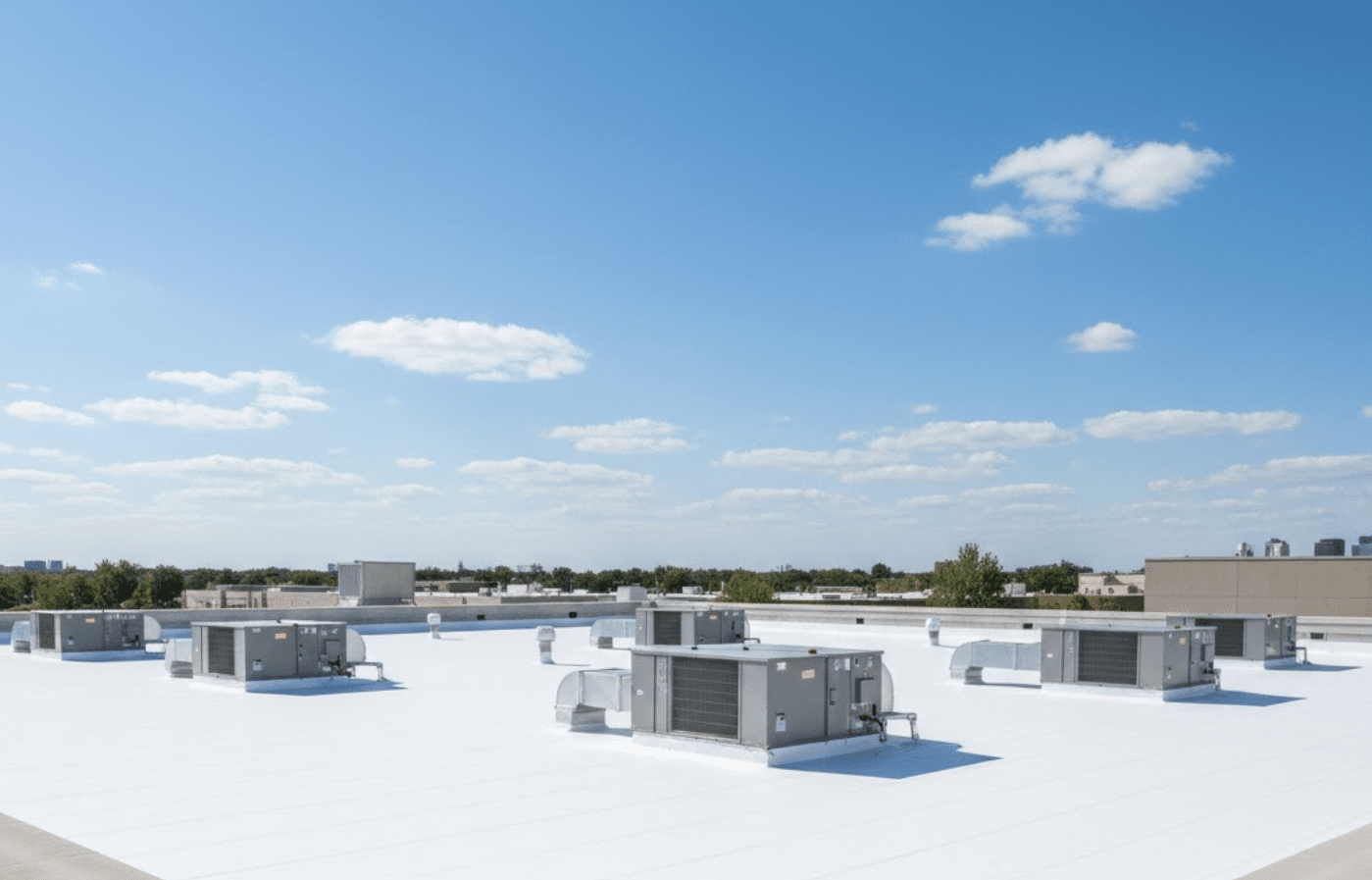
Square footage sets the baseline, but complexity moves the needle. Wide-open box stores in Odessa price differently than a medical campus in Austin with skylights, curbs, heavy HVAC stands, and dozens of penetrations. Irregular layouts, multiple roof levels, parapet height, and saturated insulation add time and labor. We also evaluate drainage, crickets, tapered insulation, and new scuppers can be a must in Miami or Tampa where rainfall intensity is high. The more we can streamline access, staging, and debris handling, the more predictable your budget becomes.
System Type And Material Selection
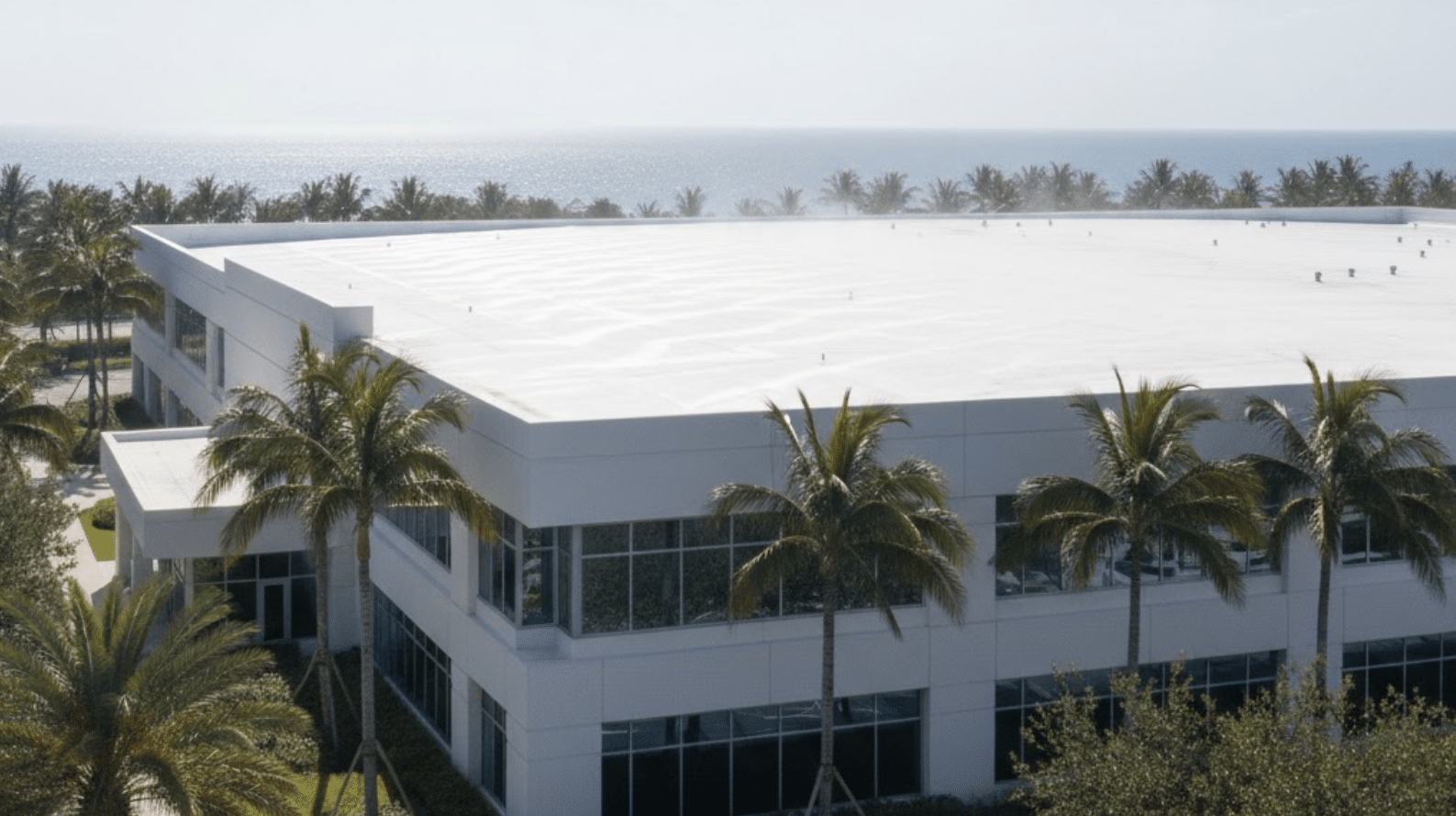
System choice significantly shapes your investment profile. Single-ply membranes like TPO, PVC, and EPDM trend toward efficient installs on large footprints. Modified bitumen and BUR provide multi-ply redundancy many healthcare and mission-critical facilities prefer. Structural or retrofit metal offers longevity and wind performance advantages on coastal and industrial sites. Coating systems can play a role in extending a serviceable roof’s life when underlying conditions qualify. Every system we propose aligns with your building’s use, exposure, code requirements, and warranty goals, not just the lowest initial outlay.
For a deeper jump into system fit, explore our Commercial & Industrial Roofing expertise and our General Contracting capabilities, which integrate roof scopes with related trades.
Tear-Off, Deck Repairs, Access, And Safety
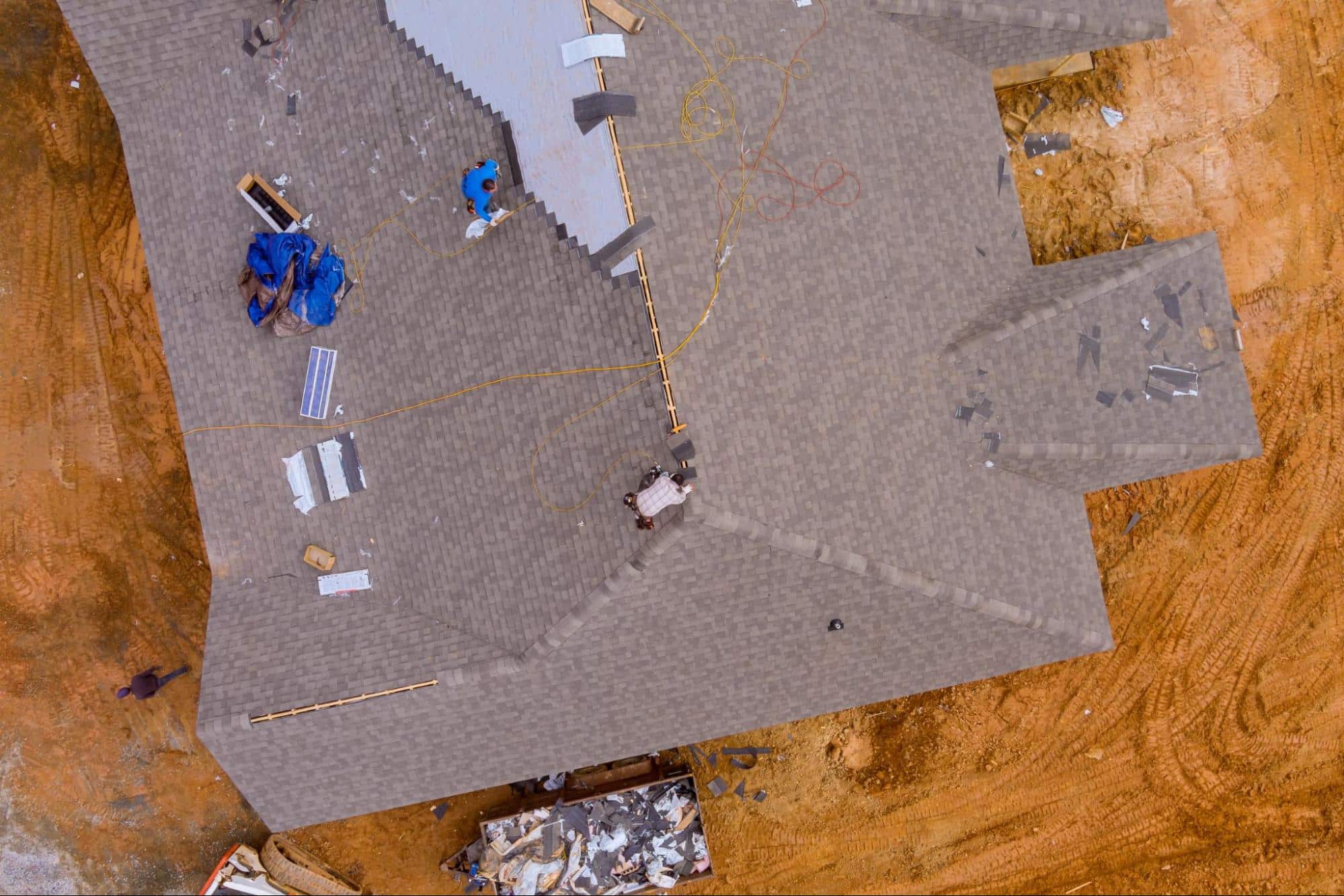
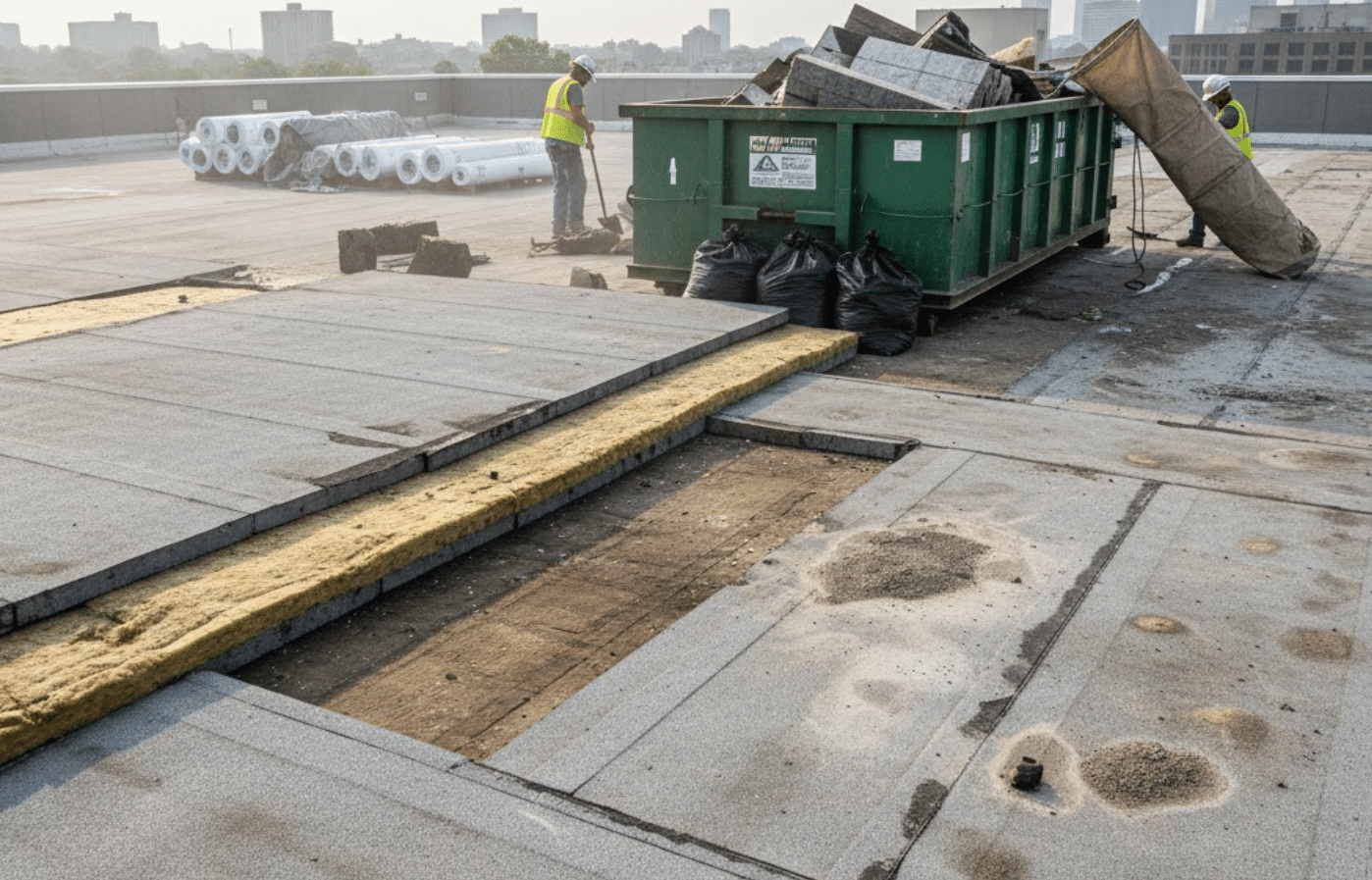
Tear-off volume, substrate condition, and deck repairs are major cost drivers. Saturated insulation increases disposal needs, and wet sections often require more deck testing. Urban sites in Dallas or St. Petersburg can limit crane placement and dumpster access, affecting logistics. Safety planning is non-negotiable, perimeter protection, tie-offs, and controlled access zones matter even more on multi-tenant properties. These realities don’t just influence schedule: they influence the overall project cost structure. We’ll spell them out in your scope so you’re never guessing.
Typical Pricing
We’re often asked for a price per square foot. A realistic answer depends on roof size, system type, tear-off scope, insulation requirements, warranties, wind ratings, logistics, and seasonality. Here’s how categories generally stack up, without locking you into numbers that won’t fit your property.
Single-Ply Systems (TPO, PVC, EPDM)
Single-plies typically offer strong value on larger, simpler footprints. Expect per-square-foot totals to vary with membrane thickness, attachment method (mechanically fastened vs. adhered), insulation thickness and type, and uplift requirements. In Florida’s High-Velocity Hurricane Zone, uplift and fastening patterns can push these systems into higher ranges.
- Good for: Big-box retail, logistics warehouses, manufacturing, schools.
- Cost depends on: Thickness, uplift design, labor access, and moisture remediation.
Modified Bitumen And Built-Up Roofing (BUR)
Multi-ply systems bring redundancy and proven longevity, particularly for hospitals, data facilities, and environments that prize layered protection. They can fall into a mid-to-upper range because of increased labor and material volume, plus asphalt handling and ventilation considerations.
- Good for: Healthcare, municipal, mission-critical facilities.
- Cost depends on: Ply count, cap sheet type, substrate prep, and odor control planning.
Metal Systems And Roof Coatings
Retrofit metal panels or structural metal provide durability, wind performance, and long service life, most often landing in a higher investment tier. Quality coatings, by contrast, can land lower, provided the existing roof is a candidate and details (seams, fasteners, penetrations) are properly addressed.
- Good for: Coastal properties, industrial campuses, long-horizon owners (metal): life-extension on serviceable roofs (coatings).
- Cost depends on: Panel/profile choice, purlin/spacer systems, coating chemistry, and prep intensity.
Regional Factors In Florida And Texas Markets
Coastal Versus Inland Codes And Wind Requirements (Miami, Tampa, St. Petersburg, Panama City)
Coastal jurisdictions enforce tougher wind uplift and edge securement standards, often requiring enhanced fastening patterns, high-tensile membranes, and engineered edge metal. Miami-Dade and Broward approvals set a high bar that can increase labor and material requirements. Inland markets like parts of Tampa’s suburbs or Panama City’s interior can be more flexible, though local inspectors still expect robust details around corners, parapets, and terminations.
Metro And Industrial Market Dynamics (Dallas, Austin, Odessa, Lafayette)
Labor availability, crane access, and laydown space differ dramatically. A distribution center outside Dallas with generous staging will price differently than an urban mid-rise in Austin. Heavy industrial in Odessa often has safety and access protocols that add planning time. Lafayette’s petrochemical proximity can create unique logistical controls. These local dynamics can shift timelines and the total installed cost.
Permitting, Inspections, And Seasonality Considerations
Permitting efficiency varies by city and season. Summer roofing in Florida calls for aggressive storm-readiness plans, temporary drainage, daily tie-ins, and robust staging, to protect interiors. In North Texas, spring hail and wind events complicate schedules. Coordinating inspections with municipality workloads helps prevent idle days. We’ll map your permit path and inspection cadence up front.
Replacement Versus Recover, Insurance, And Warranties
When A Recover Is Allowed And What It Can Save
A recover installs a new roof over an existing system when codes and conditions allow. It can reduce tear-off, landfill hauling, and disruption. Core cuts and infrared help us confirm moisture levels, wet insulation must be removed. Many jurisdictions limit total roof layers, so we’ll check your local code. When a recover is viable, owners often gain a meaningful schedule and cost efficiency without sacrificing performance.
Explore related services and building-wide planning on our Commercial Restoration and Industries Served pages.
Wind, Hail, And Water Damage Insurance Considerations
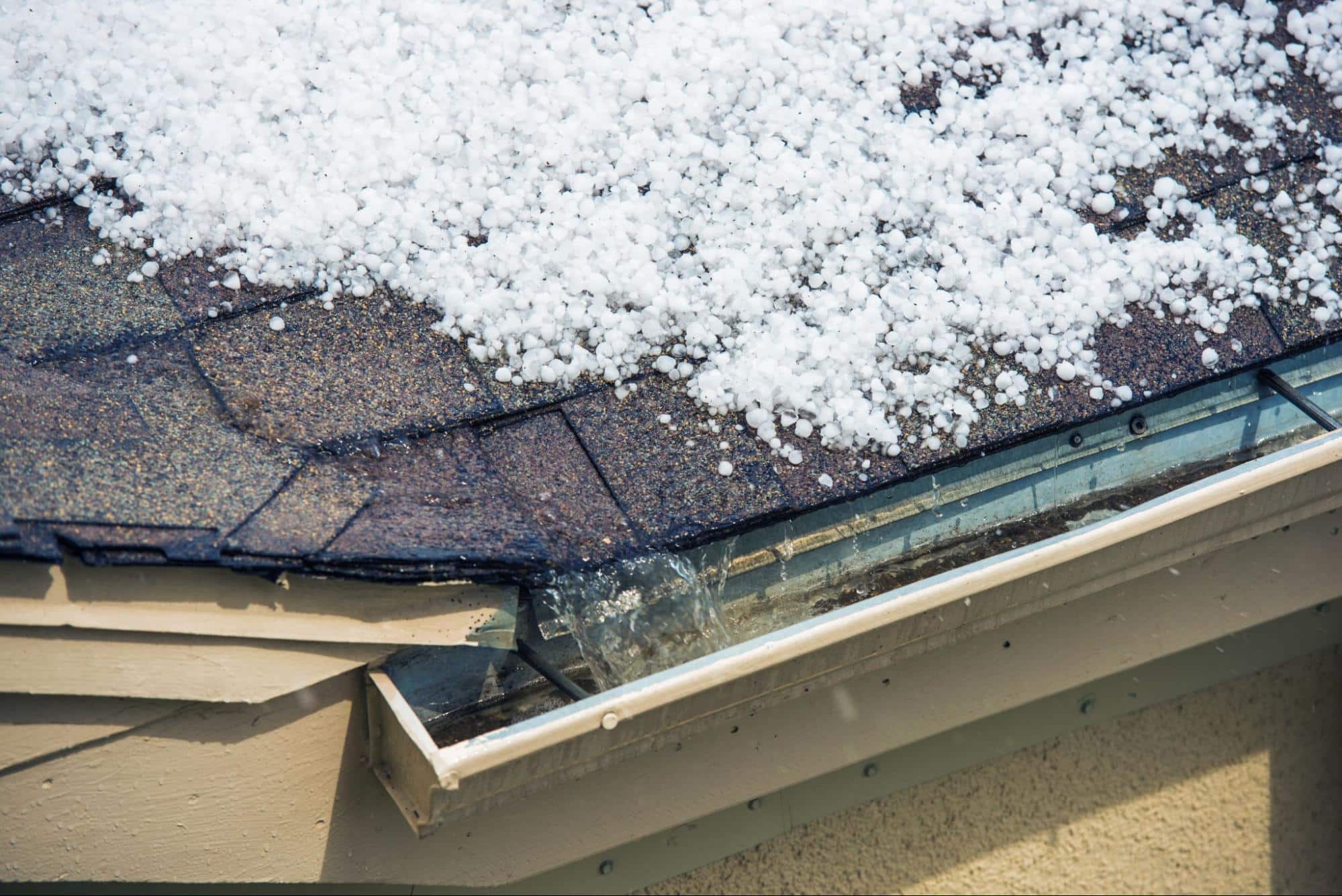
After severe weather, insurance may cover part or all of a roof replacement when damage is documented. The key is evidence: moisture mapping, deck assessments, uplift failures, and membrane breaches. We coordinate with adjusters and provide comparative scopes so everyone’s looking at the same quantities and details. For immediate stabilization and documentation, learn more about our storm damage services and emergency response process.
Warranty Levels, Terms, And Maintenance Requirements
Manufacturer warranties range from basic material coverage to full system guarantees with edge-metal and accessory inclusion. Longer terms typically require thicker membranes, specific attachment, enhanced details, and third-party inspections. Maintenance isn’t optional: it’s required to keep coverage in force. We provide post-install maintenance plans and can coordinate semiannual inspections, especially useful across multi-site portfolios in Tampa, Miami, Dallas, and beyond.
Planning Your Project And Budget
Building A Comparable Bid Package And Scope
Apples-to-apples bids start with clear baselines: roof area by section, required tear-off, moisture remediation, insulation type and R-value, attachment method, edge metal, flashing counts, curb details, and warranty targets. We’ll help you assemble a scope that bidders can price consistently, then we’ll show you alternates where a different system, tapered strategy, or staging plan could benefit lifecycle value. Learn about our approach and team
Scheduling, Occupant Impact, And Safety Planning
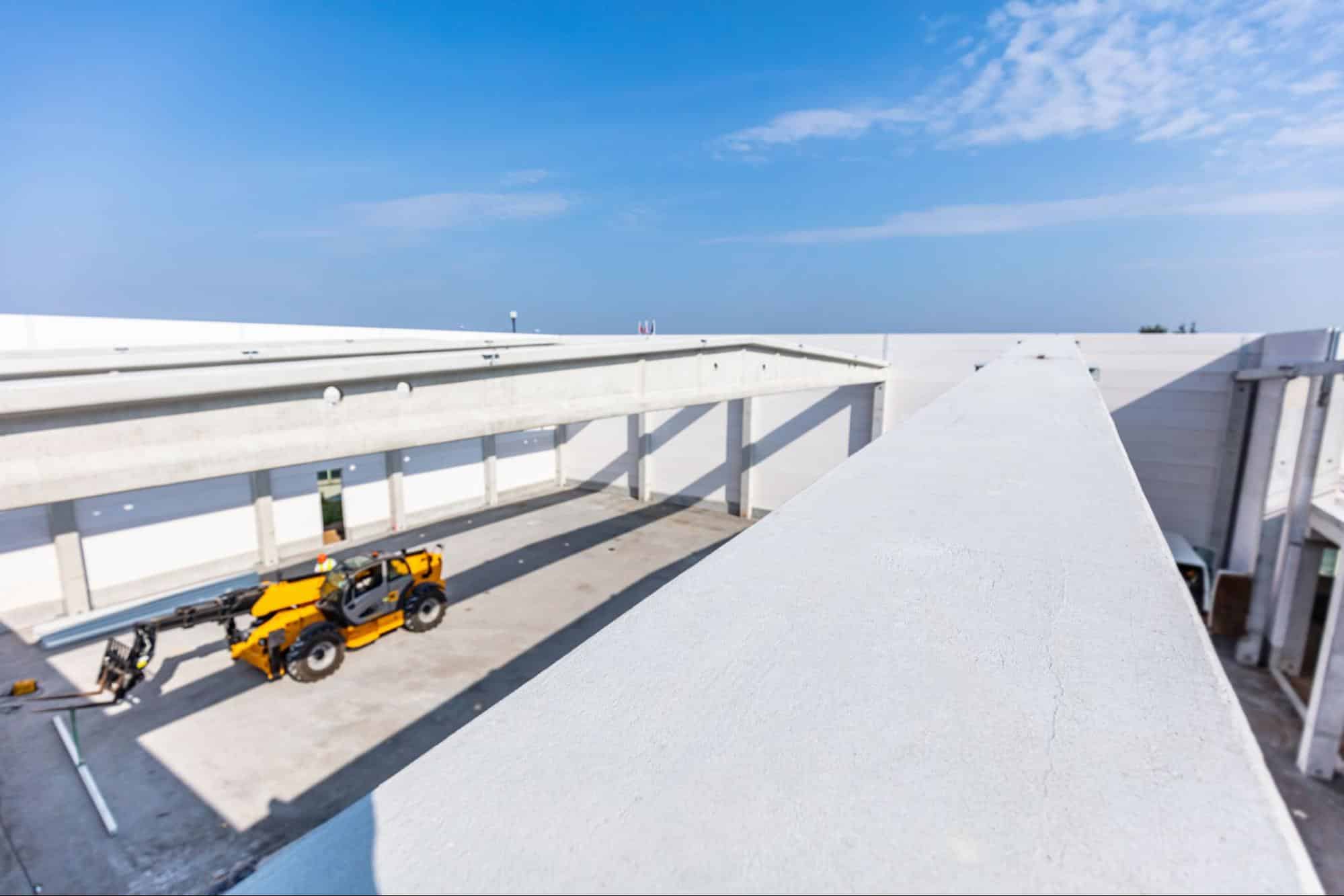
Nothing derails a project like surprises for building occupants. We coordinate crane days, loud work windows, and access routes to minimize disruptions for tenants, patients, guests, or production lines. Safety plans include fall protection, debris controls, odor mitigation (when applicable), and daily tie-in protocols for weather. For multi-trade projects, our General Contracting team keeps timelines cohesive.
Cost-Saving Moves That Don’t Backfire
Smart savings come from sequence and detail, not shortcuts. Use tapered insulation surgically, where it eliminates ponding and reduces future repairs. Right-size the warranty to your hold period and risk tolerance: overspending on years you won’t use isn’t strategic. Plan access once by aligning crane picks with RTU swaps and material lifts to cut mobilizations. Consider a recover only when moisture and code constraints are confirmed.
Frequently Asked Questions
How much does a commercial roof replacement typically cost per square foot?
Commercial roof replacement costs range from $3.50–$7.00 per square foot for single-ply membranes, $7.00–$12.00 for built-up systems, and $8.00–$15.00+ for metal or high-performance coatings. Final pricing depends on material choice, roof complexity, local codes, and project logistics.
What factors increase commercial roof replacement costs the most?
The biggest cost drivers are structural reinforcement needs, code-mandated insulation upgrades, tear-off complexity (especially multi-layer removals), access challenges, and weather-related scheduling delays. Pre-existing moisture damage and necessary repairs also significantly impact budgets.
Can I re-cover my existing commercial roof instead of replacing it?
Re-cover is allowed in many jurisdictions if your roof has only one existing layer, shows no moisture damage, and meets current code requirements. However, full tear-off often provides better warranties, allows structural inspection, and prevents future compounding issues.
Conclusion
Commercial roof replacement cost is the sum of code requirements, system choices, logistics, and daily operations. As Ready Nation Contractors (RNC US), we’ve delivered large-scale roofing and restoration across Florida and Texas—from Miami and Tampa to Dallas, Austin, Odessa, Panama City, St. Petersburg, and Lafayette. Our promise: clear scope, transparent assumptions, safety-first execution, and a warranty strategy that fits your goals.
Let’s put real numbers to your roof with a condition assessment, moisture scan, and code-driven design.
Explore localized factors through our Locations page and Contact form for a tailored assessment. For additional insights, visit our blog, along with specialized resources for water intrusion and mold prevention.