
When you start hearing drips after a storm or notice water streaking down your siding, it’s natural to wonder, “Why are my gutters leaking?” At Ready Nation Contractors, we’ve seen how a small, steady leak can quickly turn into fascia damage, interior stains, foundation cracks, and even mold growth. Whether you’re in Tampa, Miami, Dallas, Austin, Lafayette, Odessa, Panama City, or St. Petersburg, your gutters play a critical role in directing water away from your home, and when they fail, the results can be costly.
In this guide, we’ll help you identify the cause, walk through simple and safe DIY checks, and explain how regional factors along the Gulf Coast and across Texas affect gutter performance. We’ll also break down when to call in professionals for lasting repairs.
Spotting The Problem: Drip, Leak, Or Overflow?
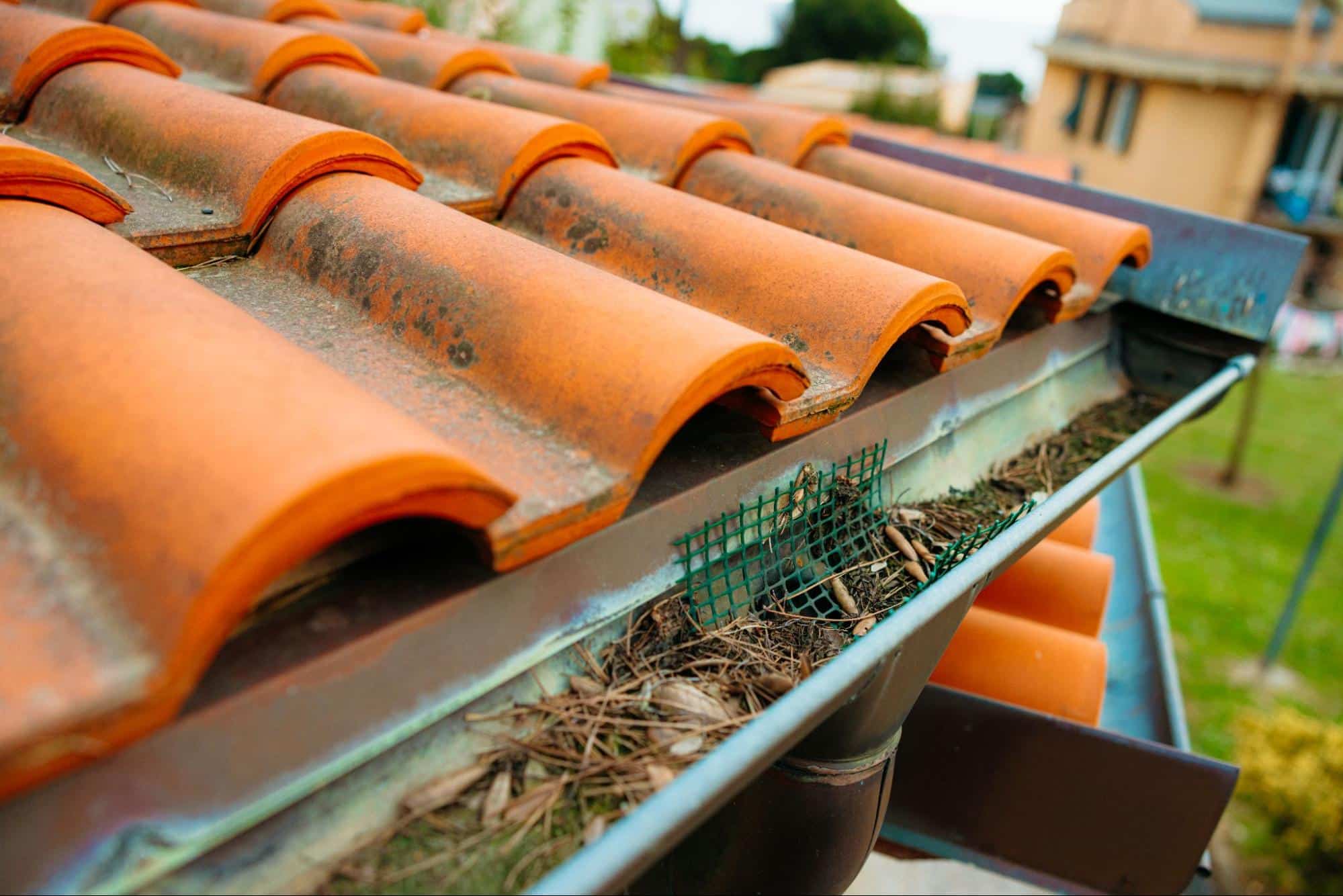
Not all water issues look the same, and the fix depends on what you’re seeing.
Common Signs Along The Eaves And Fascia
- Tan or black water stains on fascia boards and soffits
- Peeling paint beneath gutter runs
- Soft or swollen wood at the rafter tails
- Splash marks and soil erosion below the drip line
These are early warnings that water isn’t staying inside the gutter channel. In Florida markets like Tampa and St. Petersburg, these signs often show up after back-to-back downpours.
Clues At Seams, End Caps, And Downspouts
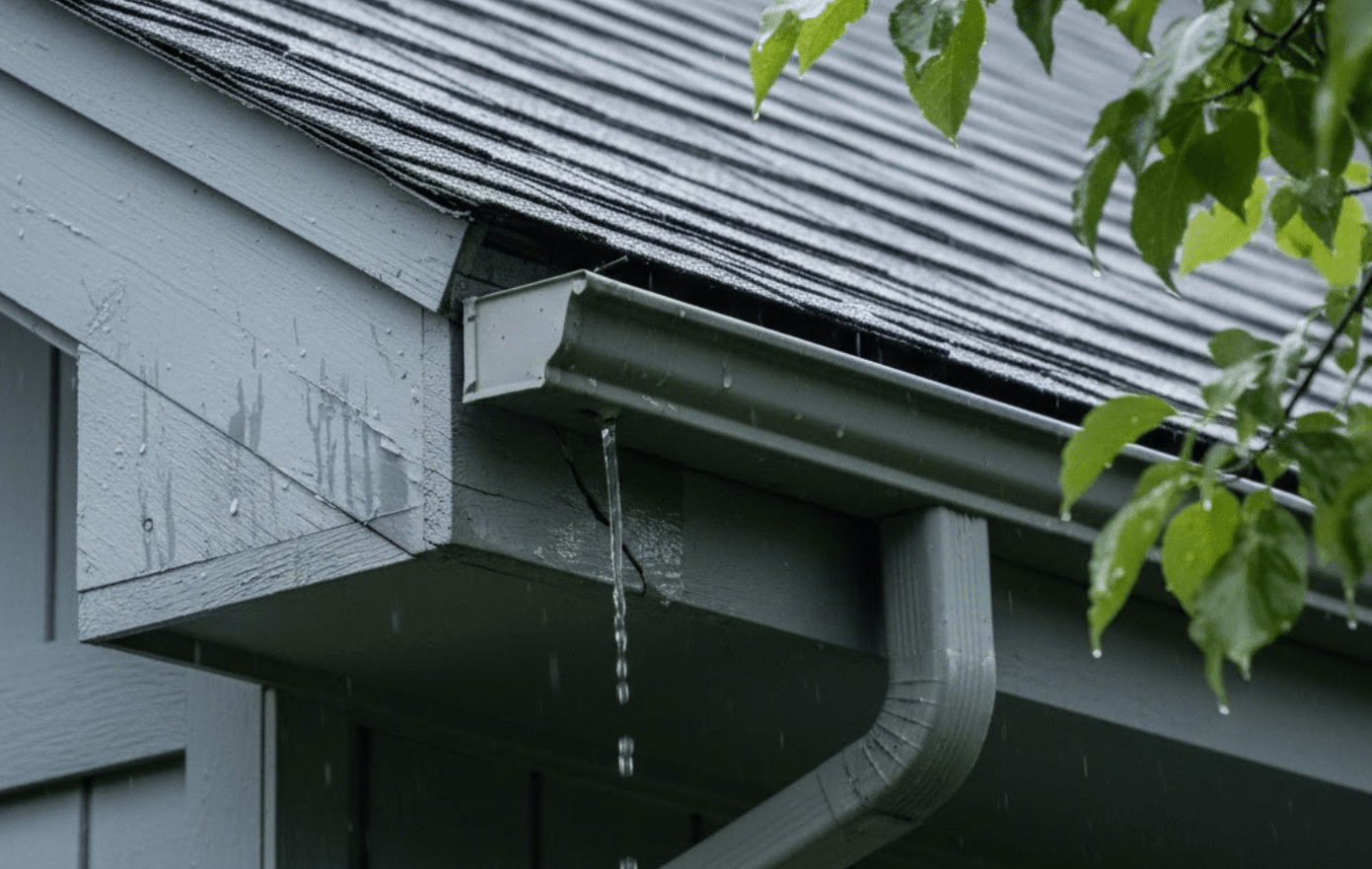
- Beads of water forming at mitered corners indicate failing sealant.
- Damp end caps usually mean standing water has been wicking through a weak spot.
- A slow or “burping” downspout during rain hints at a clog in the elbow or underground extension.
- Rust freckles or pinholes along the trough suggest corrosion, especially near the coast in Miami or Panama City.
Testing With A Hose Vs. Waiting For Rain
Don’t wait for the next storm to troubleshoot. Start at the downspout end, run a moderate hose flow, and watch how water travels. Look for: pooling low spots (bad slope), sidewall drips (seam failure), or overflow at the front edge (clog or undersized system). If water backs up immediately, your downspout or outlet is blocked.
Most Common Causes Of Dripping Gutters
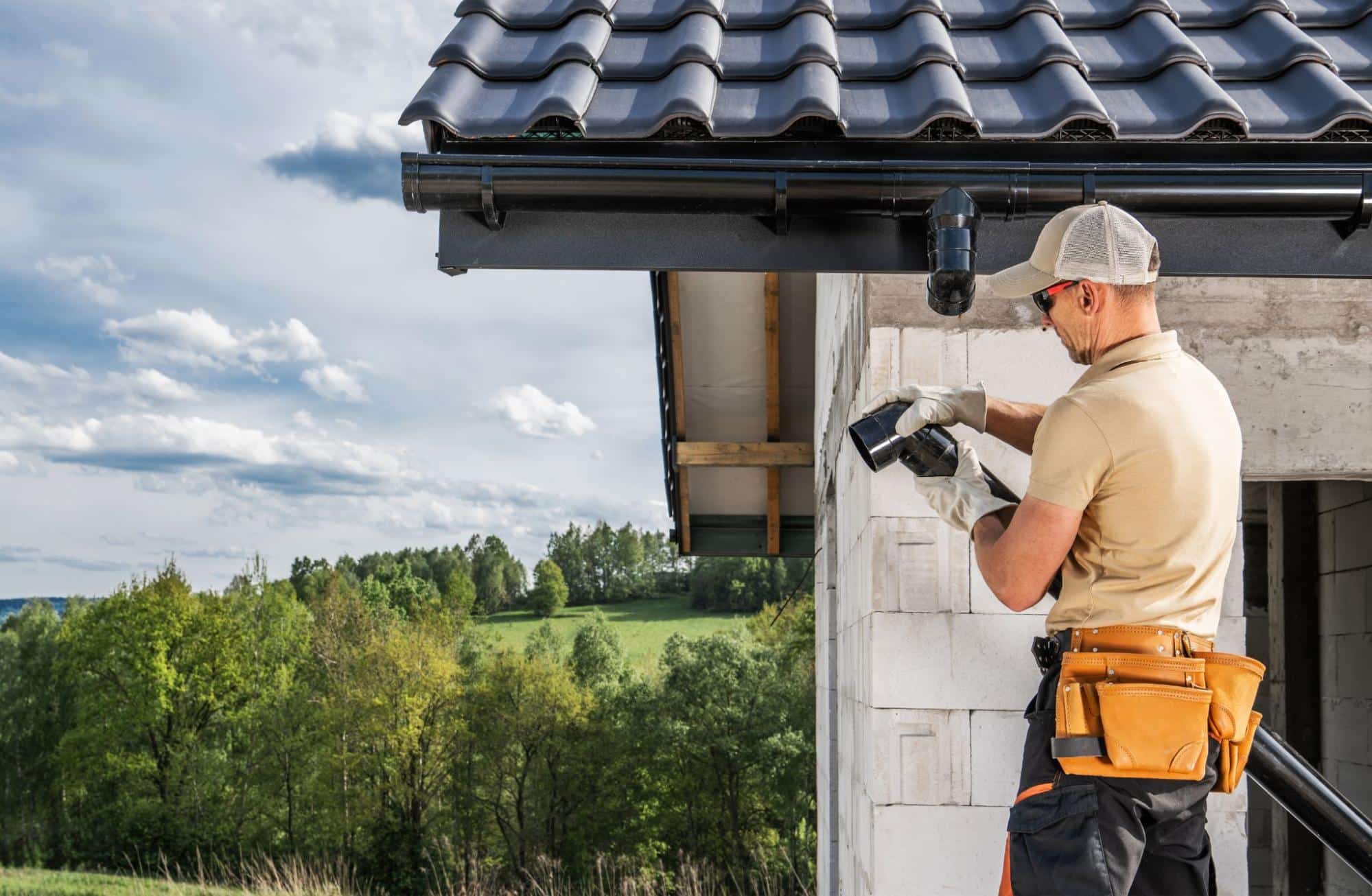
Clogs And Blocked Downspouts
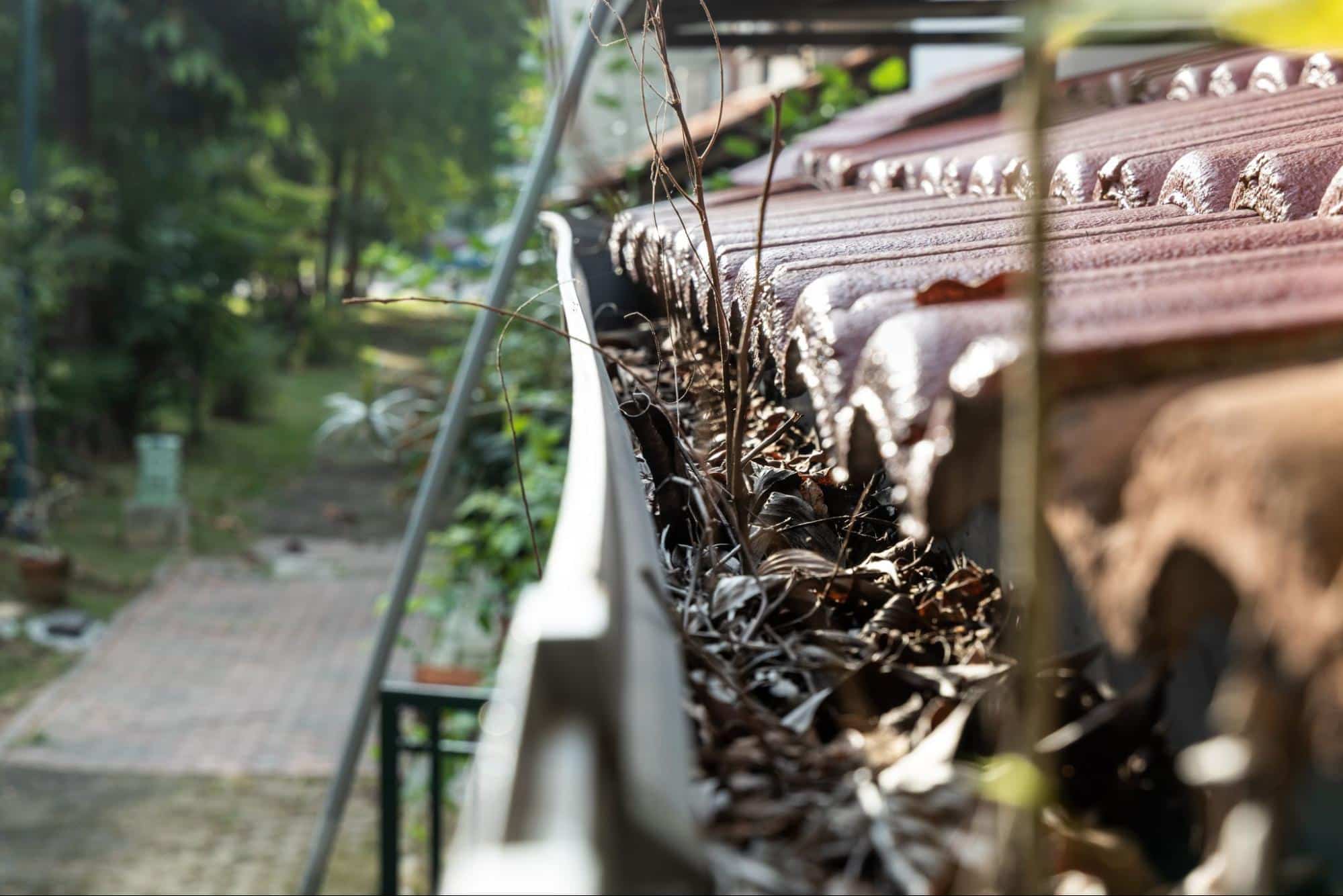
Leaves, granules, twigs, and decomposed debris build into a spongey layer that traps water. It saturates seams, accelerates corrosion, and eventually forces water over the edge. Regular cleanouts, typically spring and fall, plus a flush from the top can prevent 80% of nuisance drips.
Wrong Pitch Or Sagging Runs
Gutters should slope at roughly 1/4 inch for every 10 feet toward the downspout. If fasteners loosen or fascia bows, low spots form and water sits. That standing water is the start of seam failures and rust. In older Dallas and Austin neighborhoods, settling fascia or mixed additions often create pitch problems.
Loose Seams, Failed Sealant, And End Caps
Sealant dries, cracks, and releases over time, faster under Gulf Coast sun and salt. Expect to re-seal miters and end caps periodically. If you see daylight through a joint, it’s past due. We remove the old bead, clean thoroughly, and apply a high-grade exterior sealant for a reliable cure.
Holes, Corrosion, And Pinhole Leaks
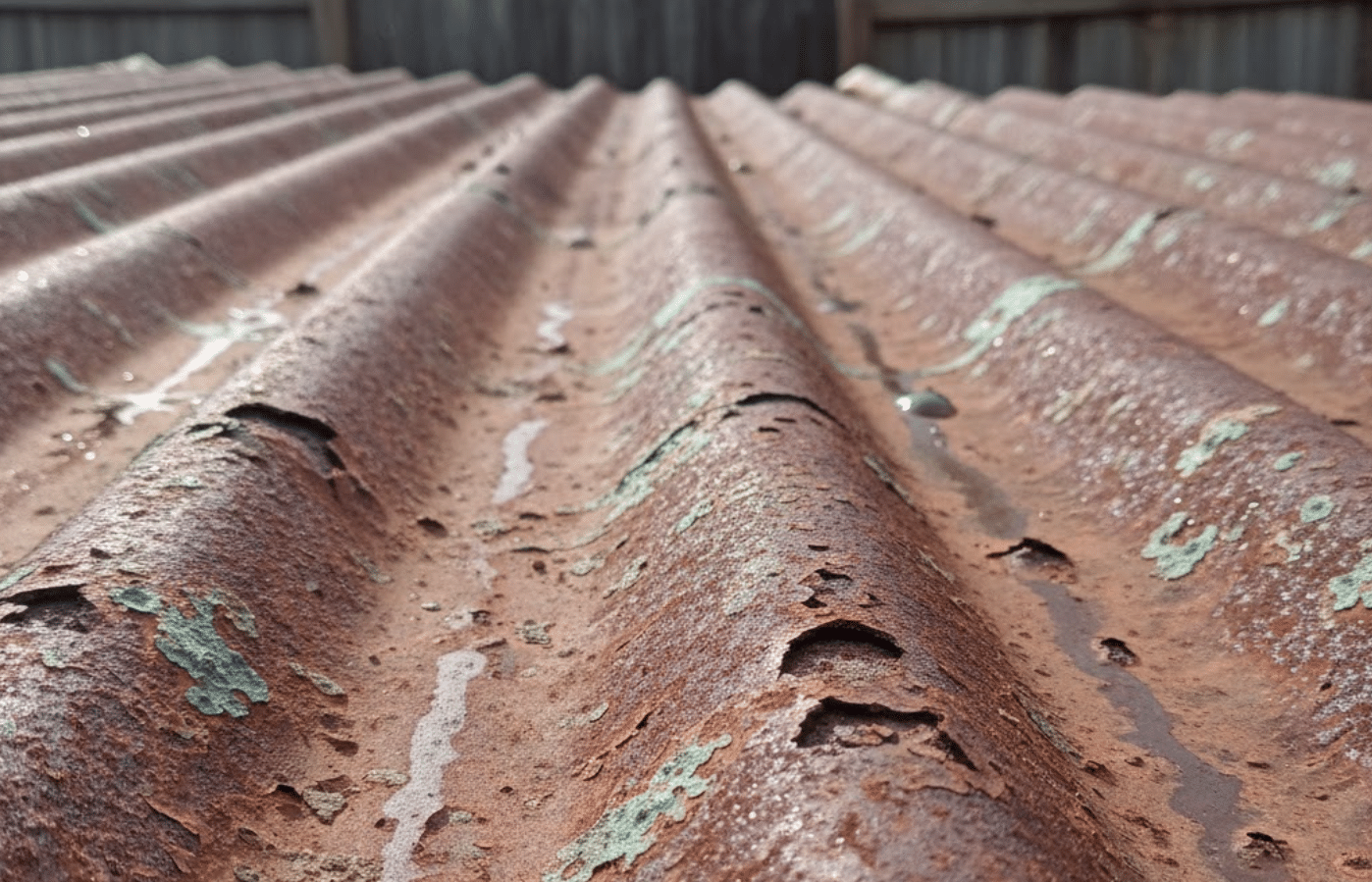
Impact damage, rust, or tiny perforations will weep consistently. Small holes can be patched: widespread pitting usually means replacing a section. Near Tampa Bay and Miami, salt air can speed up oxidation on steel systems, one reason aluminum is a smart upgrade.
Missing Or Misaligned Drip Edge And Flashing
If water is curling behind the gutter and wetting the fascia, the culprit may be above the gutter. A missing or short drip edge, or a misaligned under-shingle flashing, will feed water behind the trough. We see this after hurried roof replacements or wind events that lift the metal.
Undersized Gutters Or Too Few Downspouts
Heavy microbursts overwhelm 5-inch gutters, especially on steep, long roof planes. If water consistently sheets over the front during big storms in Odessa or Panama City, upsizing to 6-inch K-style and adding downspouts or larger outlets is often the permanent fix.
Climate And Regional Factors In Florida, Texas, And The Gulf Coast
Torrential Downpours And Tropical Storm Events
Short, intense rain cells can drop more water in 10 minutes than a standard residential system was designed to handle. That’s when design margin, larger gutters, more downspouts, and clean outlets, really matters. After major weather, our storm damage team can inspect both the roof and drainage.
Salt Air Corrosion In Coastal Areas (Miami, Tampa, St. Petersburg, Panama City)
Salt-laden spray accelerates corrosion, undermines sealants, and pits dissimilar metals. Seamless aluminum with compatible fasteners holds up far better than bare steel. We also recommend periodic fresh-water rinses near the coast to slow oxidation.
Heat, UV, And Expansion In Texas Cities (Dallas, Austin, Odessa)
High heat and UV exposure fatigue sealants and expand long runs. Without adequate expansion tolerance and tight hanger spacing, you’ll see pulled joints and sagging. UV-stable sealants and robust hidden hangers help systems ride out Texas summers.
Wind-Driven Rain, Hail, And Debris From Oaks And Palms
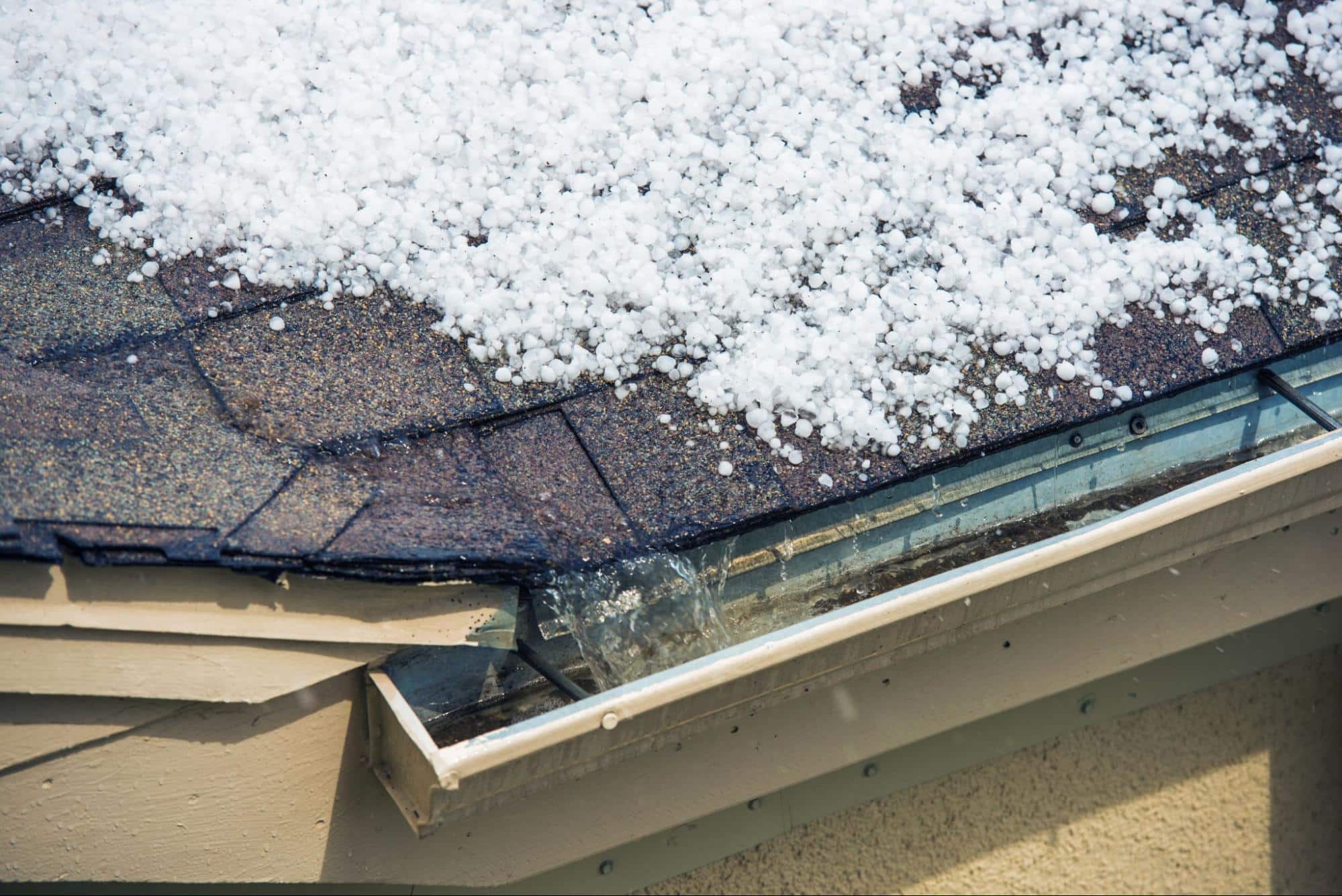
Sideways rain penetrates sloppy joints: hail dents troughs and dislodges shingle granules that later clog outlets. Oaks drop catkins and leaves: palms shed fronds that dam water. A post-storm cleanout and a quick roof-and-gutter check are worth their weight in prevented leaks.
When Drips Point To Bigger Roof Or Structural Issues
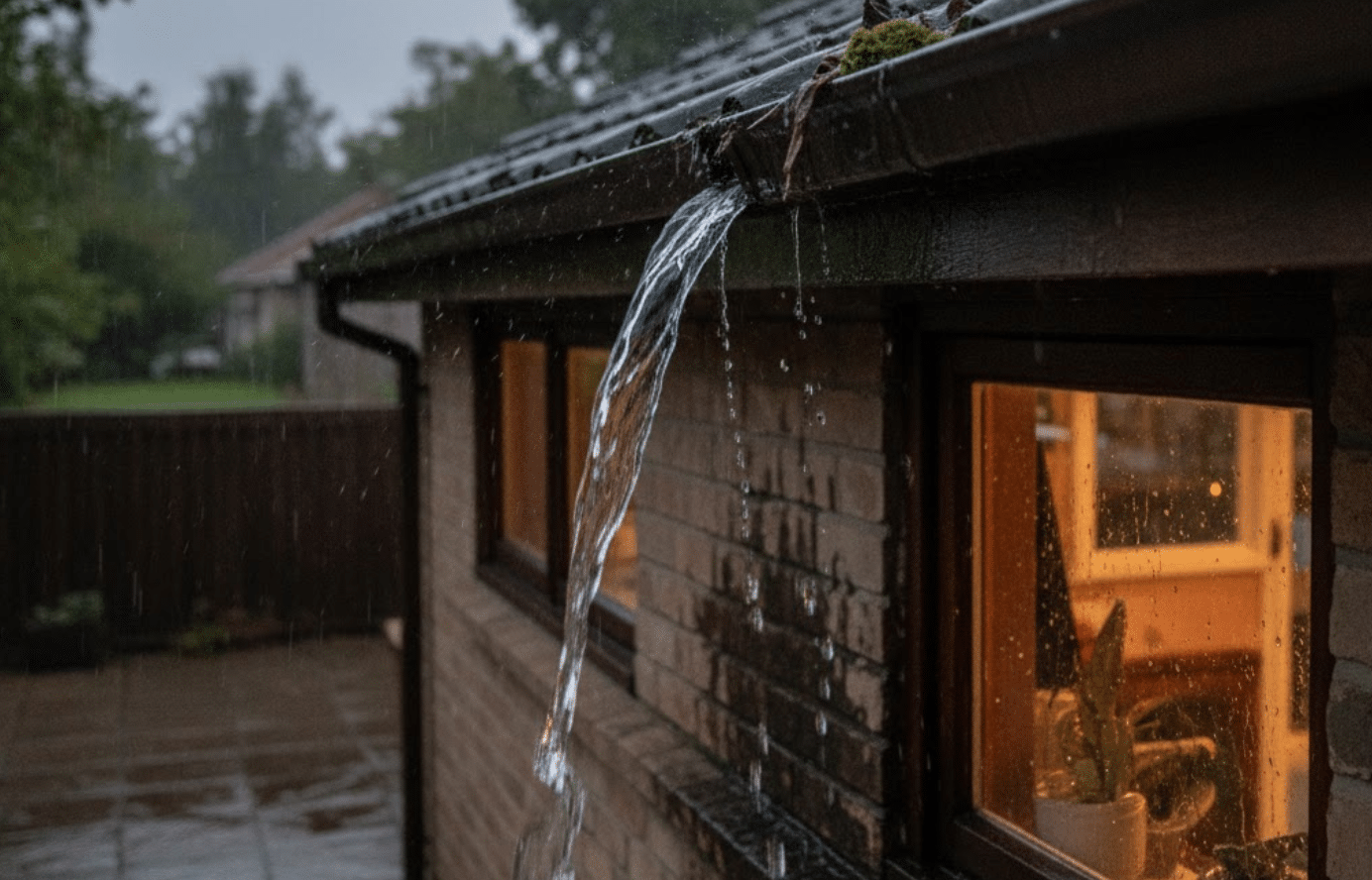
When roof or gutter drips keep returning, they often point to deeper issues. Constant moisture can rot fascia and soffit boards, loosen fasteners, and invite mold. Our crews can replace damaged wood, reset gutters, and handle any needed mold remediation to stop the spread.
Leaks may also come from above. Missing drip edge, short shingle overhang, or faulty flashing around valleys, walls, or chimneys can push water behind gutters. We inspect these areas, repair flashing, and make sure runoff flows properly into the system.
If you notice siding stains, washed-out mulch, or trenches near your foundation, water is escaping and may be reaching your slab or basement. In those cases, our storm damage, water damage, and general contracting teams can address both the source and the structural effects.
For prevention, we recommend gutter guards with routine cleanings, or larger 6-inch K-style systems to handle heavy Gulf and Texas rain. Seamless aluminum gutters with properly spaced hangers hold up best, especially in high-wind areas. In coastal zones like Miami or Panama City, salt-resistant coatings and marine-grade sealants add years of life. If roof or HVAC work is needed, our HVAC services team coordinates repairs in one visit.
Prevention and Upgrades for Long-Term Performance
Strong, well-maintained gutters are part of a home built to last. Quality guards and regular cleanings keep water moving freely, and quick inspections after major storms help stop small issues before they become expensive repairs. For commercial properties, our commercial restoration and industries served teams can create maintenance schedules that protect your building through every season.
Upgrading your gutter system also prepares your property for the future. Larger 6-inch K-style gutters with extra downspouts manage heavy rainfall across Florida and Texas, while seamless aluminum designs deliver both strength and a polished look.
Along the coast in cities like Miami, Tampa, St. Petersburg, and Panama City, salt-resistant materials and coatings extend system life and preserve curb appeal. Whether you are updating a home or improving a commercial property, we’ll help design a gutter system that performs efficiently and coordinates perfectly with your roofing and HVAC systems.
Conclusion
A dripping gutter is a messenger. Sometimes it’s telling you to clear a clog: other times it’s warning you about slope, flashing, or underlying roof damage. Across Tampa, Miami, Dallas, Austin, Lafayette, Odessa, Panama City, and St. Petersburg, we help homeowners and businesses stop the drip, protect the fascia, and steer water safely away from the foundation.
If you want eyes on the whole system, from shingles and drip edge to outlets and extensions, we’re ready to help. Learn more about who we are on our About page, check our latest tips on the blog, explore our locations, or schedule a visit today through our Contact page. And if a storm just rolled through, start with a fast assessment from our storm damage team and keep your property watertight year‑round.
Frequently Asked Questions
Why are my gutters dripping, and is it a leak or overflow?
Drips at seams, corners, or end caps usually mean failed sealant or pinholes. Water spilling over the front edge points to clogs, undersized gutters, or poor pitch. Watch for fascia stains, peeling paint, and soil erosion below the eaves—clear signs water isn’t staying inside the gutter channel.
How do I diagnose why my gutters are dripping without waiting for rain?
Run a moderate hose flow from the downspout end and watch the water path. Pooling indicates bad slope, sidewall drips signal seam failure, and front-edge overflow suggests a clog or undersized system. If water backs up immediately, the downspout or outlet is blocked—clear elbows and extensions first.
What are the most common causes of dripping gutters?
Top culprits include debris clogs, blocked downspouts, wrong pitch or sagging runs, failed seam sealant, corroded pinholes, missing drip edge or misaligned flashing, and undersized gutters. Coastal salt and Texas heat accelerate corrosion and sealant fatigue, making regular cleanings, resealing, and correct hanger spacing essential for reliable drainage.
When should I call a pro for gutter drips instead of DIY fixes?
Bring in pros if you find rotted fascia/soffit, recurring leaks after resealing, water getting behind gutters, missing drip edge or flashing issues, storm or hail damage, or consistent overflow on steep, long roof planes. These often require structural repair, upsizing to 6-inch K-style, or roof/flashing corrections.
Will gutter guards stop dripping gutters?
Gutter guards reduce debris and slow clog-related drips, but they won’t fix poor slope, failed seams, corrosion, or missing drip edge. You’ll still need periodic inspections and cleanings, especially after storms. For chronic overflow, consider larger outlets, more downspouts, or upgrading to 6-inch gutters for higher capacity.
Why are my gutters dripping in Florida or Texas specifically?
Short, intense downpours overwhelm small systems; coastal salt air speeds corrosion and weakens sealants; Texas heat and UV expand long runs and pull joints; wind-driven rain exploits sloppy seams. Combat this with seamless aluminum, UV-stable sealants, tight hanger spacing, upsized 6-inch K-style, and regular post-storm checkups.