Storm seasons in Florida and Texas put roofs to the test. Many homeowners and building owners come to us asking one thing first: what does a metal roof installation cost? We’re Ready Nation Contractors (RNC US), and we install and restore roofs built to handle Gulf wind, salt, and Texas sun. While no two projects are identical, we can show you how pricing is built, what drives it up or down, and how to plan an accurate estimate and schedule.
As a full-service company, we handle complex re-roofs, new construction, and commercial/industrial projects. You’ll see how metal type, gauge, roof design, code requirements, and location shape the bottom line. We’ll also outline our bidding process, warranties, and ways to save smart. Ready to compare options or schedule a site visit? Explore our services like our Roof Repair page, storm restoration, and Commercial Restoration.
What Homeowners Pay Today
Metal roof installation cost isn’t one static number, it’s a formula. Materials, labor, roof design, and local code requirements all factor in. Homeowners and investors tell us they prefer transparent ranges and clear assumptions, so here’s how we frame it during consultations.
Per Square Foot And Per Square Pricing
Contractors commonly talk in two ways: per square foot and per roofing “square” (100 square feet). We estimate both so you can compare apples to apples across bids. The same roof may show different unit pricing depending on panel type (standing seam versus exposed fastener), roof complexity, and site logistics, but the total will reconcile.
Typical Total For Mid-Sized Homes
A mid-sized single-family home often lands in a middle band once materials, underlayment, trim/edge metals, and labor are included. Profiles like standing seam trend higher due to fabrication and specialized installation, while exposed fastener panels trend lower. Add-ons, snow guards where relevant, upgraded underlayment, or custom color, can move the final number.
Re-Roof Versus New Construction
Re-roofs usually carry additional line items: tear-off, disposal, deck repair, and code upgrades. New construction avoids tear-off, but the final cost still reflects panel type, gauge, and details like valleys and penetrations. Re-roofing over a suitable existing deck with correct underlayment can streamline labor: mandatory deck repairs or complex flashings add time and cost.
Cost Factors That Move Your Price

Each roofing project comes with its own unique cost profile. Below are the primary factors we evaluate during our site inspection and estimate preparation.
Material Type And Gauge
- Panel profile: Standing seam systems require specialized seaming tools and labor, which influences cost. Exposed fastener systems are quicker to install and usually price lower.
- Gauge (thickness): Heavier-gauge steel and thicker aluminum increase durability and wind performance, and they also raise material cost.
- Coating/paint system: Coastal-rated finishes and premium colors typically add a modest bump but pay off in longevity.
Roof Complexity And Height
- Pitch and stories: Steeper, taller roofs require more safety rigging and labor time.
- Geometry: Valleys, hips, dormers, and skylights add fabrication and flashing work.
- Access: Tight lots, limited staging, or difficult crane access can extend timelines.
Tear-Off, Underlayment, And Deck Repairs
- Tear-off and disposal: Removing old layers, especially multiple ones, adds labor and landfill fees.
- Underlayment: Synthetic, peel-and-stick, or high-temp ice/water shield options each carry different costs and performance benefits.
- Deck repairs: Replacing rotten or delaminated decking is a variable line item. Coastal moisture and past leaks often dictate how much deck work is needed.
For context on repairs before or after a storm, our roof specialists can triage and stabilize issues fast, learn more on our Roof Repair page and our Storm Damage hub.
Metal Types And Price Ranges
Metal selection affects performance, aesthetics, and total ownership cost. We’ll help you weigh the tradeoffs for your property and climate zone.
Standing Seam Versus Exposed Fastener
- Standing seam: Concealed fasteners, clean lines, and excellent water management. Higher labor precision and seam tooling push this option into a higher pricing band.
- Exposed fastener: Faster installs and a more budget-friendly path to metal. Proper fastener spacing, sealing, and maintenance are essential for longevity.
Steel And Aluminum Options
- Galvanized/galvalume steel: Strong, widely available, and commonly specified for wind resistance. Great value in most inland and many coastal applications when coatings are selected appropriately.
- Aluminum: Lighter and naturally corrosion-resistant, a favorite for coastal homes from Tampa to Miami and along the Gulf. Typically prices above comparable steel but pays off near salt air.
Premium Metals: Copper And Zinc
- Copper: Sculptural aesthetics and a natural patina over time. Higher upfront cost makes this a premium choice for accent roofs or custom homes.
- Zinc: Long service life and a distinctive look: fabrication expertise is crucial. Often used on architectural projects where design and durability are paramount.
Florida And Texas Cost Ranges By City
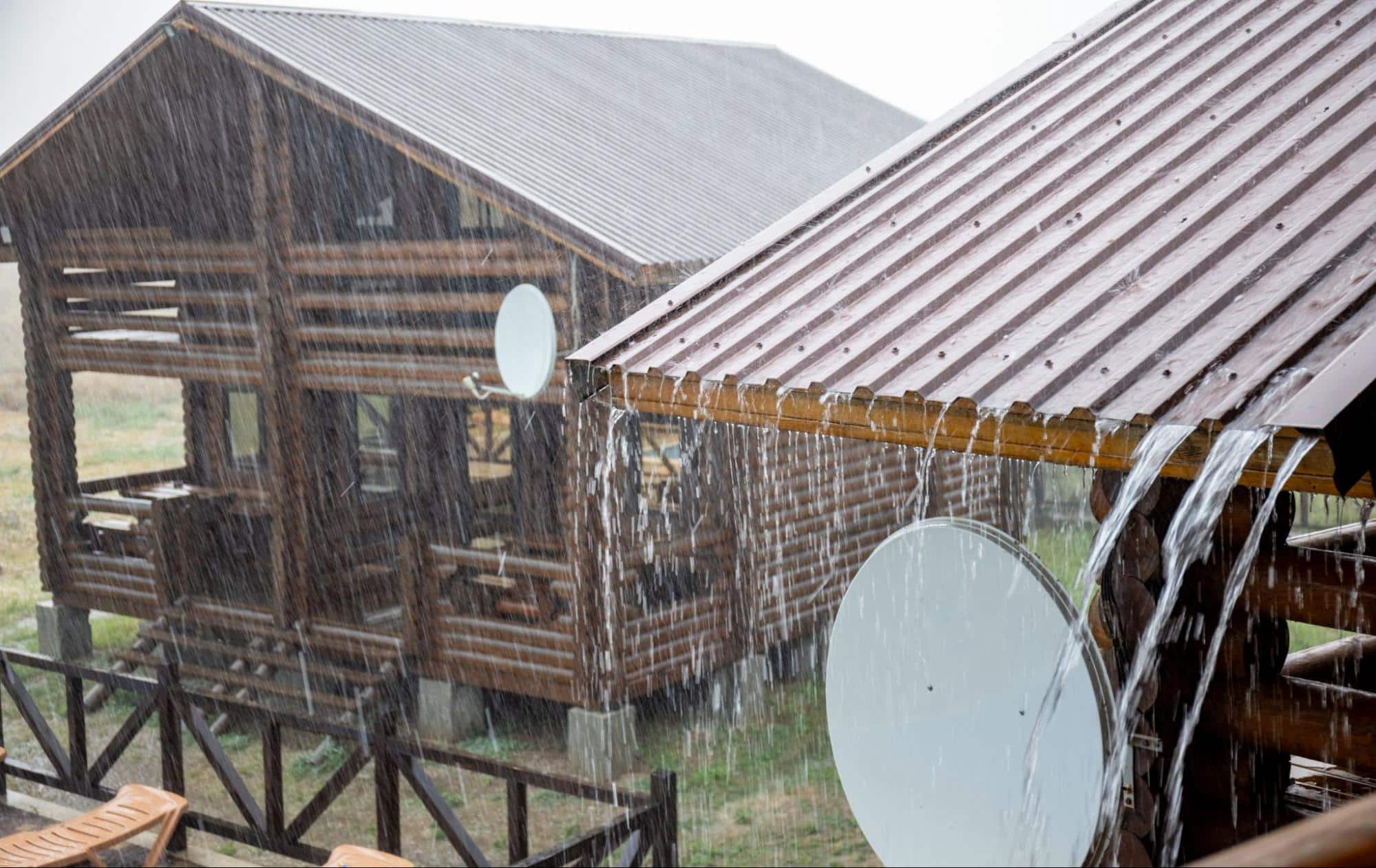
Local labor markets, permitting, wind requirements, and logistics shape the final number. We install across Florida and Texas and tailor each bid to your address and roof design.
Tampa, St. Petersburg, And Panama City
Homes along the Tampa Bay and Panhandle corridors face wind, rain, and salt exposure. Aluminum or coastal-coated steel is common. Expect re-roofs to include robust underlayment, hip/edge metals, and fastener patterns that satisfy local wind uplift requirements. Panama City jobs may include additional deck work where past storms stressed framing.
Miami And Coastal South Florida
South Florida’s stricter wind codes often require enhanced fastening schedules, heavier-gauge panels, and specific edge metal profiles. These upgrades add materials and labor but deliver a roof system built for coastal gusts and squalls. Aluminum is frequently favored for corrosion resistance.
Dallas–Fort Worth And Austin
Inland Texas markets typically allow more flexibility on profiles and gauges while still addressing hail and heat. Steel is common for value and strength: standing seam is popular on modern homes and light commercial. Complex rooflines in newer subdivisions can add detail work around valleys and penetrations.
Odessa And Lafayette (Gulf Coast)
Gulf-facing properties contend with wind and salt. Material choice often leans to aluminum or coated steel with high-temp underlayments. Project logistics, staging, crane access, and fast-track schedules after severe storms, can influence labor hours.
For local availability and rapid response, check our Locations page and our Emergency Response overview.
Codes, Wind Ratings, And Warranties That Affect Cost
Building to code isn’t the ceiling, it’s the floor. In wind-prone zones, the details that keep panels on the deck matter as much as the panel itself.
Permits And Wind Uplift Requirements
Municipal permits, inspections, and wind uplift standards drive the fastening schedule and underlayment specification. Some jurisdictions require product approvals and engineering letters for certain assemblies, which can add professional fees and submittal time.
Fastener Patterns, Underlayment, And Edge Metal
Tighter fastener spacing, high-temp or self-adhered underlayments, and reinforced eaves/rakes reduce risk in high-wind events. These details add materials and labor but directly improve performance and insurance compliance.
Manufacturer And Workmanship Warranties
Premium finish warranties and system warranties may require specific panels, trims, or underlayments. Our workmanship warranty is paired with a clear closeout package so insurers and future buyers can verify the assembly. The right warranty can slightly raise upfront cost while lowering long-term risk.
Frequently Asked Questions
How much does a metal roof installation cost?
Metal roof installation cost typically ranges from budget-friendly exposed fastener systems to premium standing seam profiles. The final number depends on material type (steel, aluminum, copper, zinc), gauge, roof complexity, tear-off requirements, and local wind codes. A mid-sized home re-roof includes materials, underlayment, trim, labor, permits, and disposal. For an accurate quote tailored to your property, contact our team with your address and roof details.
How long does a metal roof installation take?
Most residential re-roofs take 3–7 days from tear-off to final inspection, depending on roof size, weather, permit inspections, and deck repairs. New construction installs are often faster since tear-off is eliminated. Complex rooflines, custom fabrication, or storm-related backlogs can extend timelines. We assign a project manager and share a day-by-day schedule so you know exactly when crews and equipment arrive.
Do I need to remove my old roof first?
In most re-roof scenarios, yes. Tear-off allows us to inspect and repair the deck, install high-performance underlayment, and meet current code requirements. Some jurisdictions permit overlays if the existing roof is a single layer in good condition, but we recommend full tear-off for coastal and high-wind zones to ensure proper fastening and waterproofing.
What’s the best metal for Florida’s coastal climate?
Aluminum is the top choice near salt air—Tampa Bay, Miami, Panama City, and the Gulf Coast—because it resists corrosion naturally. Coastal-coated galvalume or Kynar-finished steel is also viable when paired with proper underlayment and edge metals. We’ll recommend the right material based on your distance from the water, wind zone, and budget. Learn more about storm-ready systems on our Storm Damage page.
How long will my metal roof last?
Standing seam metal roofs with quality finishes regularly exceed 40–50 years with minimal maintenance. Exposed fastener systems often reach 30–40 years when fasteners are periodically checked and resealed. Premium metals like copper and zinc can last 70+ years. Proper installation, underlayment, and adherence to wind codes directly impact longevity. We back our work with manufacturer finish warranties and our workmanship warranty.
Is a permit required for metal roof installation?
Yes, nearly all jurisdictions in Florida and Texas require permits for re-roofs and new installs. Permits trigger inspections that verify underlayment, fastener patterns, edge metals, and wind ratings. We handle permit applications, engineering letters when needed, and coordinate inspections so your project stays on schedule and code-compliant.
What’s the difference between standing seam and exposed fastener?
Standing seam uses concealed clips and vertical seams that snap or mechanically lock, delivering clean lines and superior water shedding. It requires specialized tools and precision, so it costs more. Exposed fastener panels attach directly through the face with screws and rubber washers—faster to install and more budget-friendly, but fasteners need periodic inspection. Both perform well when installed to code; your choice depends on aesthetics, budget, and maintenance preference.
Do metal roofs make noise during rain or hail?
Properly installed metal roofs with solid underlayment and adequate attic insulation are surprisingly quiet. The underlayment and decking dampen sound significantly. Most homeowners report little to no difference compared to shingle roofs. If sound is a concern, we can specify thicker underlayments or insulation upgrades during your estimate.
Can a metal roof increase my home’s value?
Yes. Metal roofs appeal to buyers because of their longevity, wind resistance, energy efficiency, and low maintenance. In storm-prone markets like Florida and Texas, a recent metal roof with transferable warranties can be a strong selling point and may lower insurance premiums. Appraisers and insurers value documented installations with permits and warranties.
How do I maintain a metal roof?
Metal roofs require minimal upkeep. We recommend annual inspections to clear debris from valleys and gutters, check fasteners on exposed-fastener systems, and verify flashing integrity around penetrations. After major storms, a quick visual check ensures panels and trim stayed secure. Our Roof Repair team offers maintenance plans and fast response if you spot an issue.
What warranty will I receive?
You’ll receive a manufacturer finish warranty (often 25–40 years for premium paints), a system warranty if applicable, and our workmanship warranty covering installation. We provide a closeout package with all permits, inspections, product data sheets, and warranty documents so you and future buyers have a complete record. Warranty terms vary by panel and coating—we’ll review specifics during your estimate.
Do you work with insurance on storm damage claims?
Absolutely. We document damage, provide detailed estimates, and work directly with adjusters to ensure accurate scopes and fair settlements. Our Storm Damage specialists respond quickly after hurricanes, hail, and wind events across Florida and Texas. For emergency tarping and stabilization, visit our Emergency Response page.
Conclusion
Metal roof installation cost depends on more than the panel you pick. It’s a blend of material, gauge, roof geometry, local codes, wind requirements, and the quality of the install. We bring coastal and inland expertise across Tampa, Miami, Dallas, Austin, Lafayette, Odessa, Panama City, and St. Petersburg, and we stand behind our work with clear scopes, permitting, and warranties.
Let’s build a roof that’s quiet in a storm and efficient in the sun. Contact Ready Nation Contractors. Learn more About our team, explore Industries Served, and get fast help on Storm Damage. Ready when you are.