Introduction
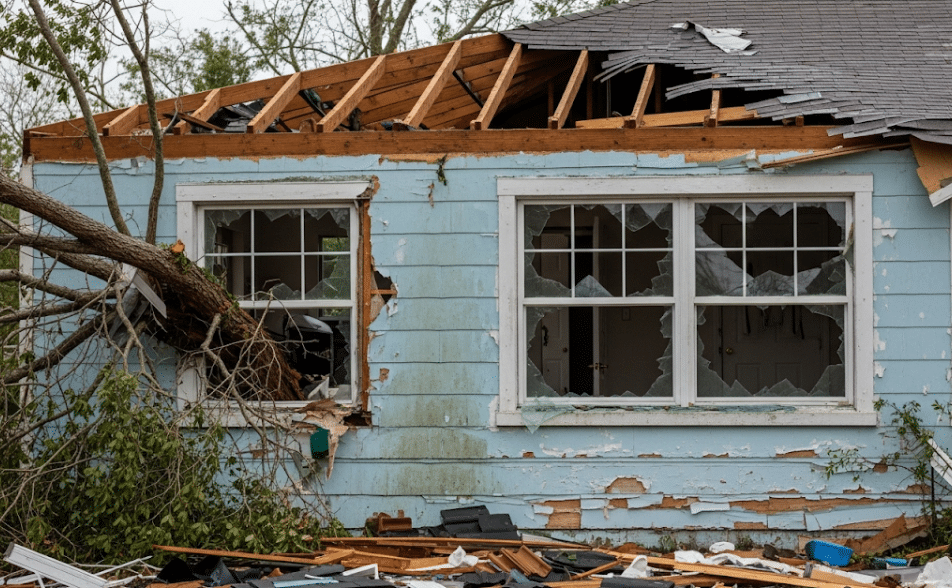
Storm damage can turn a normal day into a crisis in just a few hours. Hurricanes, hail, and severe winds leave behind more than broken shingles and fallen trees. They leave property owners wondering what steps to take, how to handle insurance claims, and who to trust for repairs. Acting quickly and making informed decisions are the difference between manageable repairs and long-term financial loss.
Ready Nation Contractors (RNC US) has helped countless homeowners and businesses across Florida and the Gulf Coast recover from destructive storms. As a licensed and insured restoration company, we know how overwhelming the process can feel. That’s why our team provides guidance every step of the way, from emergency tarping and roof inspections to full reconstruction.
This guide explains what to do after storm damage. It covers immediate safety steps, the documentation you’ll need for insurance claims, what storm damage contractors actually do, and how to avoid untrustworthy companies. You’ll also learn which types of storm damage are typically covered by insurance, what temporary roof repairs can buy you time, and why RNC US is the contractor Florida homeowners call first.
What to Do After a Hurricane Damages Your Roof
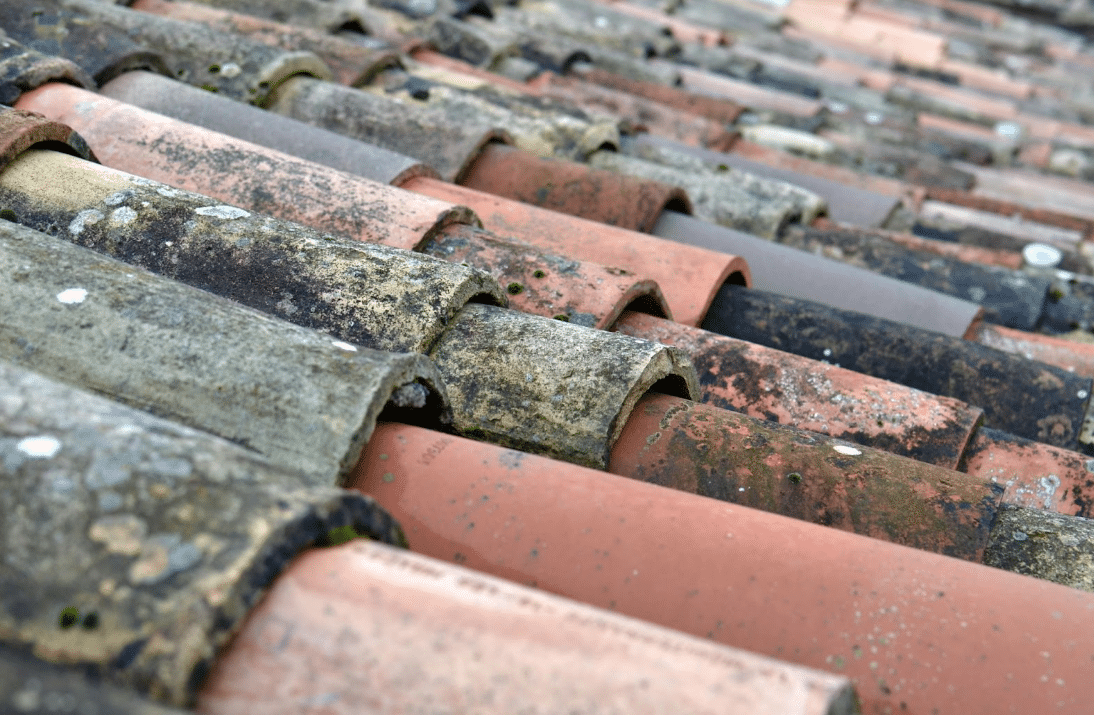
When a hurricane or major storm passes, the first instinct is often to climb on the roof and check the damage. That’s one of the biggest mistakes homeowners can make. A storm-damaged roof may look stable, but it could collapse under weight or give way without warning. The first step is always safety.
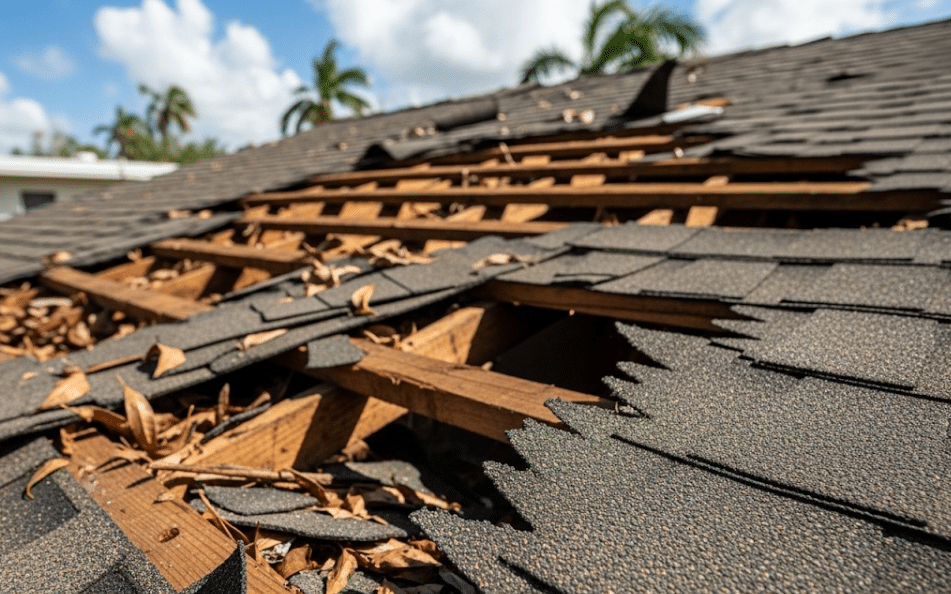
Walk the perimeter of your property and look for visible damage from the ground. Missing shingles, broken flashing, fallen tree limbs, and sagging areas are strong signs that your roof is compromised. Inside the home, check ceilings and walls for new water stains or active leaks. Even small drips can signal serious roof damage that requires immediate attention.
If you discover water coming through, take measures to protect the inside of your home. Move furniture and valuables away from the leak and place containers to catch water. Plastic sheets or tarps can be used inside to minimize damage to flooring and walls. These are temporary steps, but they prevent further loss until professionals arrive.
The final and most important action is calling a licensed contractor. RNC US provides emergency inspections and tarping services to prevent additional damage. We strongly advise homeowners to avoid quick DIY fixes, which are often unsafe and may complicate the insurance claim process.
How to Document Storm Damage for an Insurance Claim
Insurance claims depend on strong evidence. Without proper documentation, homeowners risk receiving less coverage than they deserve. The best time to document is immediately after the storm, before cleanup begins.
Start by photographing the damage in detail. Take wide shots of the entire home as well as close-ups of problem areas. For example, if shingles are missing, capture both the damaged section and surrounding roof areas for context. Inside, photograph ceiling stains, water leaks, and damaged belongings. Videos are also valuable because they show the extent of the damage in real time.
In addition to visual records, keep a written log. Note the date and time of the storm, describe each damaged area, and list any personal property that was affected. Estimating replacement values strengthens your case when presenting to the insurance adjuster.
Save every receipt related to the storm. This includes temporary supplies like tarps or buckets as well as professional services such as emergency inspections. Insurers often reimburse these costs, but only if you have proof.
Finally, schedule a professional inspection. Adjusters may overlook hidden issues, particularly water intrusion in attics or structural weakening. RNC US provides detailed inspection reports that highlight every problem area. These reports often become the deciding factor in ensuring homeowners receive the full coverage owed to them.
What Does a Storm Damage Contractor Do?
Storm damage contractors are more than roofers. Their job is to oversee the entire recovery process, guiding homeowners from the initial emergency phase to complete restoration.
The first role is assessment. Contractors conduct detailed inspections to evaluate the extent of the damage. This includes roofs, siding, windows, and structural elements. They identify immediate threats to safety and recommend short-term solutions to stabilize the property.
Next comes temporary protection. This may involve roof tarping, boarding up broken windows, or clearing hazardous debris. These measures prevent further damage and give homeowners breathing room while long-term repairs are planned.
A reputable contractor also provides repair or replacement estimates. These are critical for insurance claims, as adjusters rely on professional cost assessments when approving coverage. Contractors often work directly with insurance representatives to make sure nothing is missed.
Finally, storm damage contractors manage the actual restoration. They coordinate crews, order materials, and ensure all work meets building codes. With RNC US, clients can expect clear communication, scheduled updates, and work that passes inspections without delays.
How to Find a Reputable Storm Damage Company
After major storms, homeowners are often approached by out-of-town contractors offering quick, cheap repairs. These so-called “storm chasers” frequently cut corners and disappear before issues resurface. Choosing the right company is essential to protecting your home and your finances.
Start by verifying credentials. A legitimate storm damage company is licensed and insured in your state. They should have a physical office in the area, not just a temporary trailer or post office box.
Reputation also matters. Check verified customer reviews and see how long the company has been operating locally. Organizations like the Better Business Bureau provide accreditation that adds another layer of confidence. If a contractor avoids questions about licensing, insurance, or references, that is a red flag.
Another factor is availability. Storm damage requires immediate attention, and reliable companies offer 24/7 emergency response. RNC US has established itself as a trusted local contractor with headquarters in Florida, a strong reputation across the Gulf Coast, and a long track record of successful storm restoration projects.
Is Storm Damage Covered by Insurance?
One of the first questions homeowners ask is whether insurance will pay for the repairs. The answer depends on the type of damage and the details of your policy.
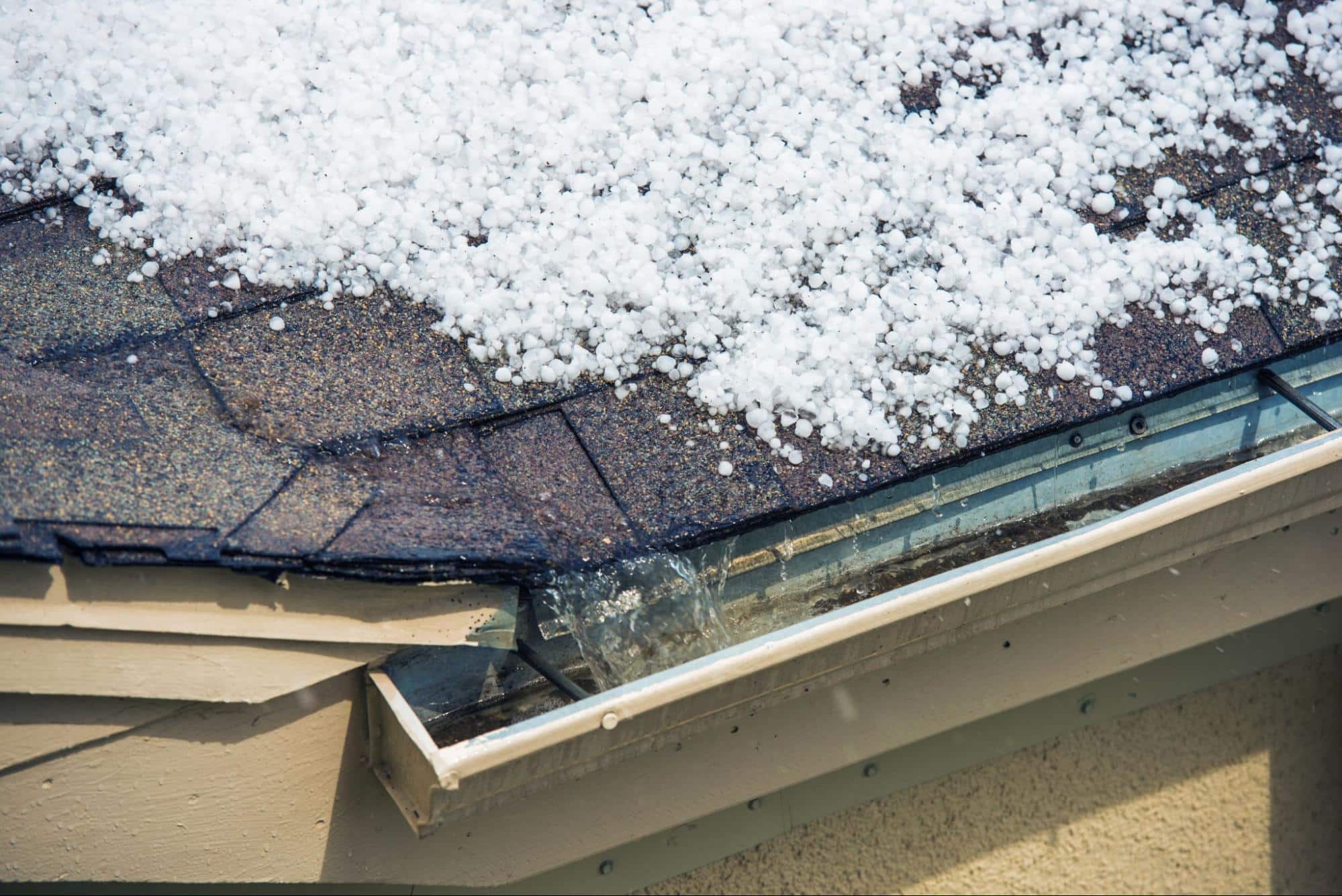
Most standard homeowners policies cover wind damage, including missing shingles, fallen trees, and structural harm caused by high winds. Hail damage to roofs, siding, and windows is typically included as well. Water intrusion that results from storm openings, such as rain entering through a broken roof or shattered window, is often covered too.
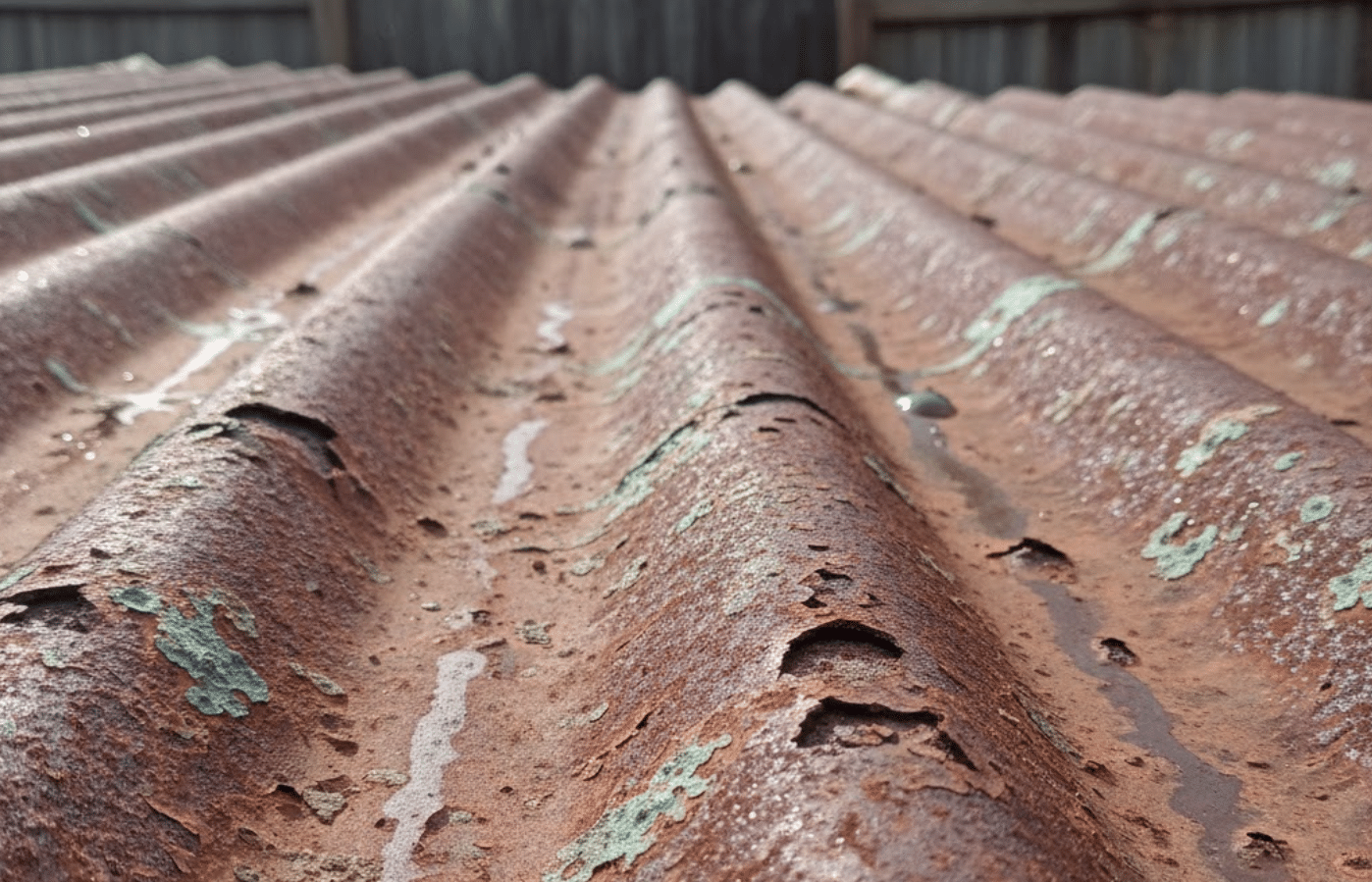
However, flooding is a different matter. Rising water from storm surge or heavy rainfall is not usually included in a standard policy. Separate flood insurance is required for that type of coverage. In addition, insurers may deny claims for damage caused by neglect or lack of maintenance, such as old roofs that had not been repaired before the storm.
The best approach is to contact your insurance provider immediately after the damage occurs. Provide the photos, logs, and receipts you collected, and request that your contractor’s inspection report be submitted as well. RNC US has extensive experience working alongside adjusters, which helps homeowners secure fair settlements.
Temporary Roof Repair After a Storm
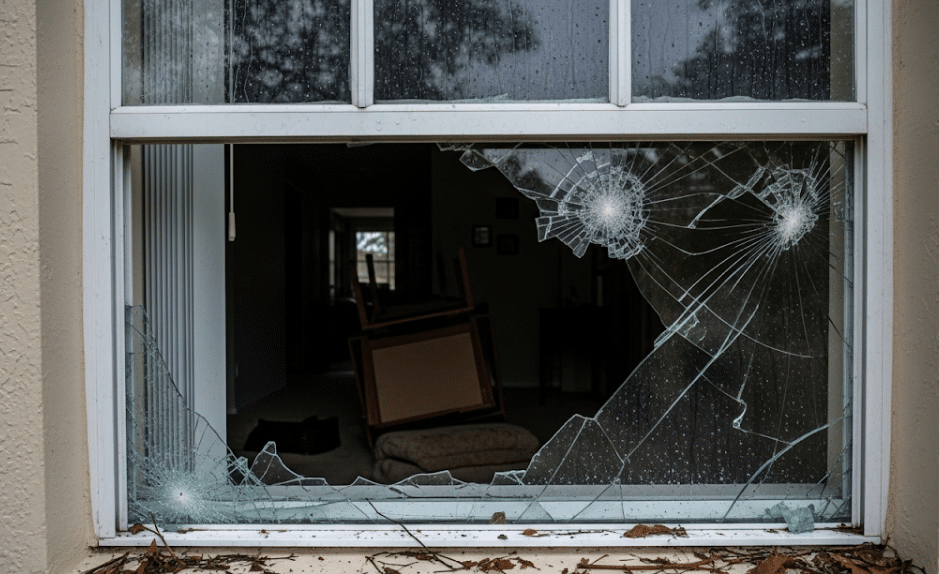
When full repairs cannot be scheduled right away, temporary solutions are essential. A damaged roof can allow water to enter the home with every passing storm, creating new problems like mold growth and electrical hazards.
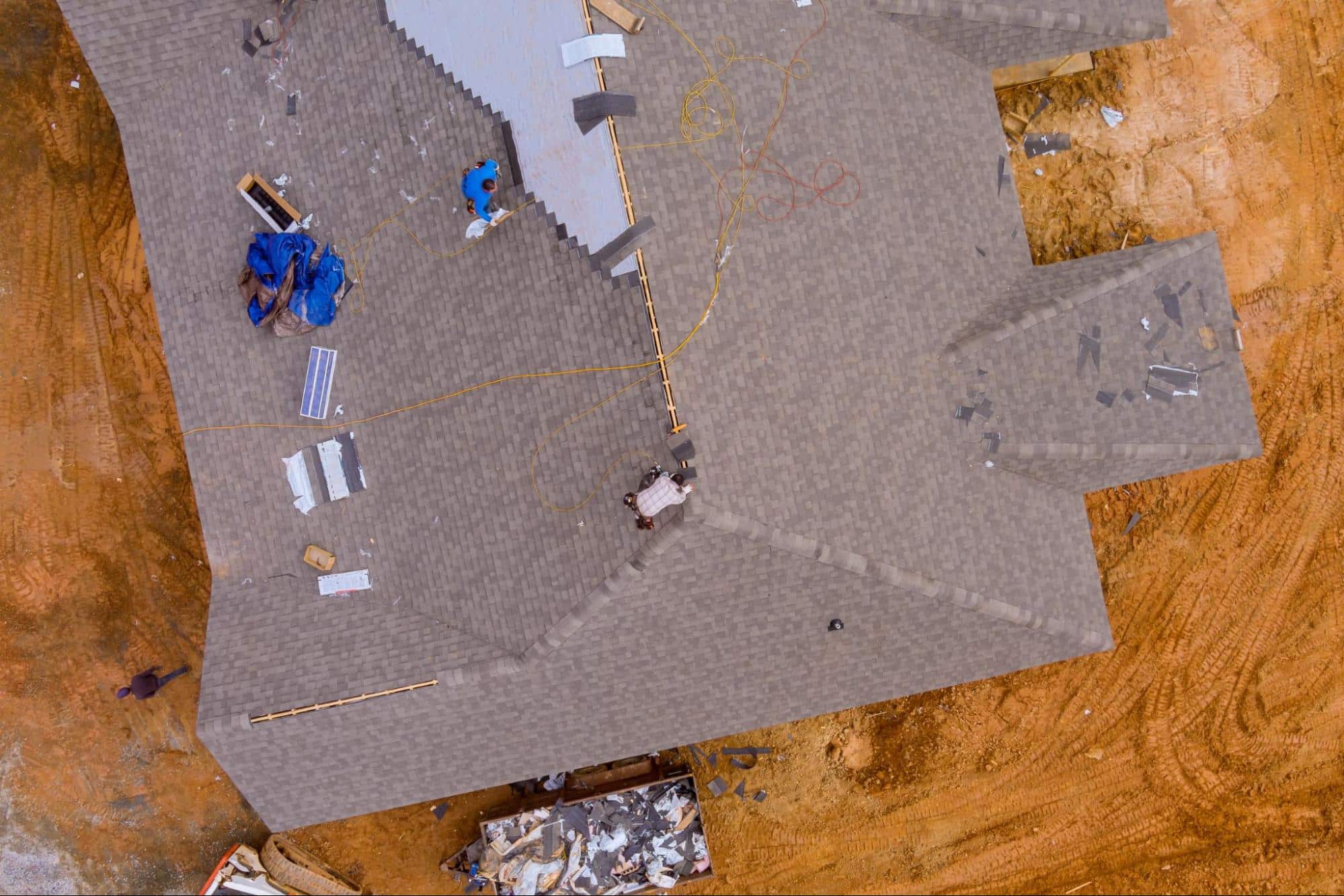
One common temporary measure is roof tarping. Contractors use heavy-duty tarps to cover exposed areas and prevent additional water from entering. This solution is fast and effective, buying time until permanent repairs can be arranged.
Small leaks may also be patched with roofing cement. While not a permanent fix, this stops water intrusion in the short term. Clearing debris is another important step. Branches, broken shingles, and leaves can place added weight on an already weakened roof and cause further harm.
These temporary repairs are not meant to replace full restoration, but they provide critical protection during the waiting period. RNC US offers 24/7 emergency services, ensuring that homeowners are not left vulnerable when immediate repairs cannot be completed.
The RNC US Advantage in Storm Damage Restoration
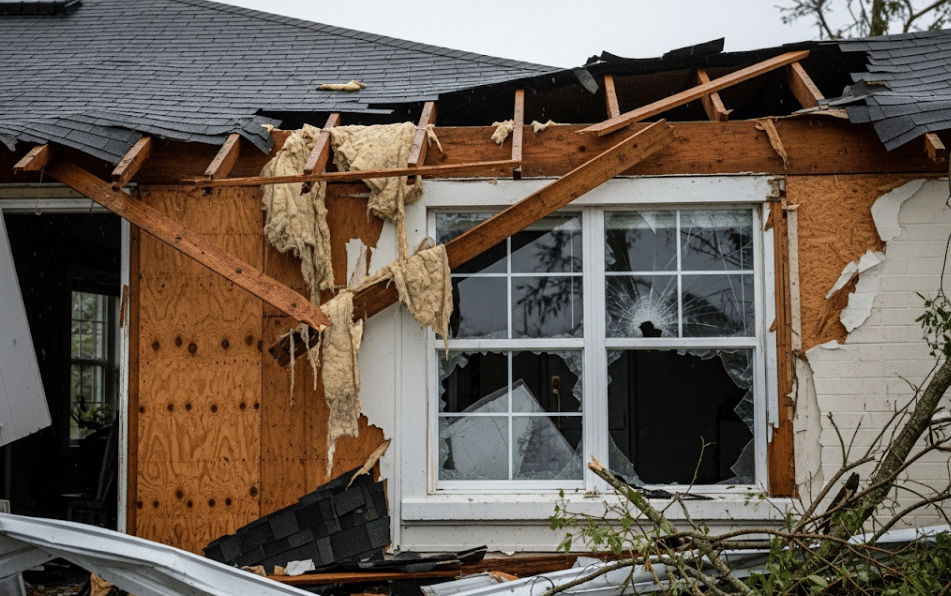
Not all contractors bring the same level of expertise to storm recovery. Ready Nation Contractors stands out because of our proven record and comprehensive approach.
Our team has decades of experience in roofing, restoration, and general contracting. We understand Florida’s building codes and the unique challenges posed by Gulf Coast weather. That knowledge allows us to design repairs that not only restore your home but also prepare it to withstand future storms.
Clients consistently highlight our professionalism in RNC reviews. We maintain accreditation with the Better Business Bureau, which demonstrates our commitment to accountability and transparency. Beyond storm damage, we also provide services in water mitigation, fire restoration, mold remediation, HVAC repair, and full general contracting.
Perhaps most importantly, we are available when disaster strikes. Our 24/7 emergency response means homeowners never face storm damage alone. From temporary roof protection to complete reconstruction, RNC US delivers the trusted support property owners need in the most stressful times.
FAQs About Storm Damage
What should I do after storm damage?
Stay safe, document the damage thoroughly, and contact a professional storm damage contractor. Avoid DIY roof work.
What should I do if a hurricane damages my roof?
Protect the inside of your home from leaks, use tarps if safe, and call RNC US for emergency repair.
How do I document storm damage for an insurance claim?
Take photos and videos, write a damage log, save receipts, and get a contractor’s inspection report.
What does a storm damage contractor do?
They inspect, protect, repair, and guide you through the insurance claim process.
How can I find a reputable storm damage company?
Choose a licensed, insured local contractor with strong reviews and a BBB record. Avoid “storm chasers.”
Is storm damage covered by insurance?
Wind and hail are usually covered. Flooding often requires separate insurance.
What is temporary roof repair after a storm?
Emergency tarping, patching, and debris removal provide short-term protection until permanent repairs are made.
Conclusion and Call to Action
Storms are unpredictable, but your response does not have to be. Acting quickly, documenting thoroughly, and working with a reliable contractor ensures your property is restored safely and your insurance claim is handled properly.
Ready Nation Contractors (RNC US) is a licensed and insured restoration company serving Florida and the Gulf Coast. With decades of experience and a reputation built on trust, we provide the emergency response and long-term solutions homeowners need when storms strike.
Get in touch with RNC US today through our contact page for 24/7 storm restoration services. Our team is always ready to respond, protect your property, and restore peace of mind.